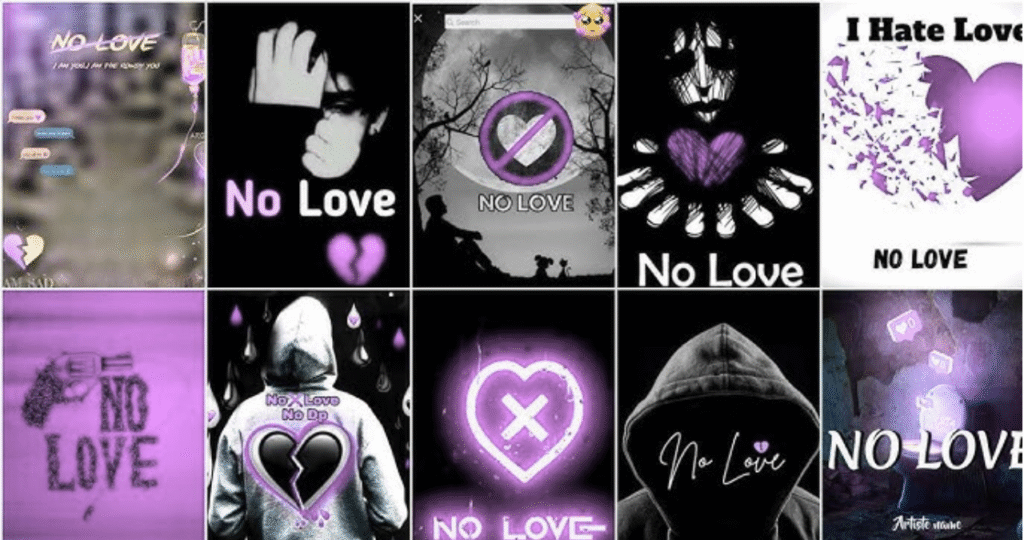

No Love DP. THIS In today’s social media-driven world, a display picture (DP) isn’t just a profile imageit’s a window into our emotions, personalities, and even moods. The no love dp has emerged as a subtle yet powerful way to communicate feelings of heartbreak, disappointment, or emotional detachment without saying a word. People who are navigating the complexities of personal relationships or who simply want to reflect on a period of introspection often turn to this unique form of expression. Unlike cheerful or romantic DPs, a no-love DP conveys the message that one is currently detached from romantic emotions or is choosing self-prioritization over external validation.
The impact of a no-love DP goes beyond mere aesthetics. It allows individuals to share their emotional state indirectly, often evoking empathy or curiosity from friends and followers. Many people find comfort in using such DPs during phases of emotional turbulence because they create a form of silent communication that others can understand without intrusive questions. The digital world has made it possible to visually express complex feelings like love, heartbreak, and indifference in a single image. Choosing a no-love dp can be both empowering and therapeutic, signaling self-awareness and resilience in the face of emotional challenges.
The Psychological Appeal of No Love DP
At its core, a no love dp is more than just an imageit’s a reflection of an individual’s emotional and psychological state. Social media platforms provide a stage where emotions are both displayed and observed, and profile pictures play a crucial role in this. For those experiencing a breakup or a period of emotional distance, a no love dp functions as a form of emotional armor. It communicates a lack of romantic involvement or interest without necessitating direct verbal expression, which can be particularly valuable for introverted or private individuals.
Psychologists suggest that visual expressions like no love dp serve as a coping mechanism, helping people process feelings of rejection, heartbreak, or solitude. Choosing a DP that conveys emotional detachment can also be empoweringit allows one to reclaim control over their personal narrative and how others perceive their emotional state. The appeal of a no love dp lies in its subtlety; it speaks volumes without uttering a single word. This form of self-expression bridges the gap between internal emotional processing and external social interaction, creating a safe space to navigate the complexities of human relationships.
How No Love DP Reflects Modern Relationship Dynamics
Modern relationships are increasingly shaped by digital communication, where emotions are often displayed through emojis, stories, and profile pictures. In this context, a no love dp is a significant tool for signaling emotional independence or recovery from a past relationship. Unlike traditional forms of expressing heartbreak or detachment, a no love dp operates in the visual realm, where subtleties like posture, expression, and image tone can convey deep emotional narratives.
Using a no love DP can also reflect broader social and cultural trends. In an era where relationships are frequently scrutinized online, choosing a DP that indicates emotional disengagement can serve as both a protective barrier and a statement of self-awareness. It communicates that the individual values personal growth and emotional health over public validation or romantic attention. In essence, a no love dp not only tells a story about current emotional circumstances but also highlights the evolving ways people navigate relationships in a hyper-connected digital world.
Choosing the Right No Love DP
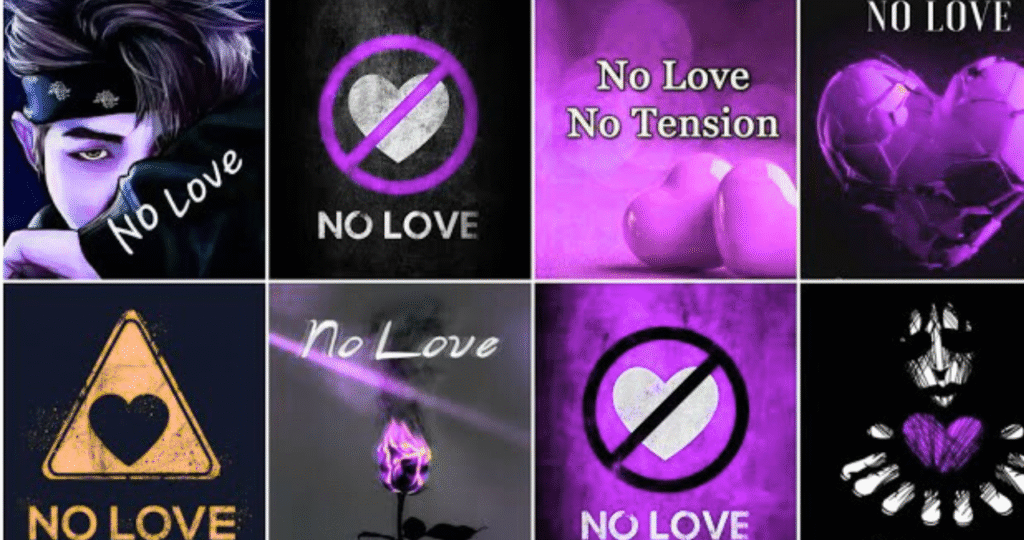
Selecting the perfect no love dp requires thoughtful consideration of how one wants to project their emotional state. Images can range from melancholic black-and-white portraits to abstract visuals that imply distance or solitude. The goal is to strike a balance between authenticity and subtlety, ensuring the DP communicates the intended message without overt dramatization. Lighting, composition, and expression play a critical role in conveying the nuanced emotions behind a no love dp.
Many people opt for symbolic representations in their no love dp, such as empty streets, fading sunsets, or abstract art that evokes a sense of detachment. Others may choose minimalistic or neutral-toned selfies that suggest introspection rather than overt sadness. The power of a no love dp lies in its ability to communicate silently yet effectively. By carefully curating an image that aligns with one’s emotional state, individuals can make a statement about self-reflection, resilience, and emotional clarity without needing to explain their feelings in words.
The Cultural Impact of No Love DP on Social Media
Over the past few years, the no love dp has transcended personal use and entered popular culture, influencing how emotions are portrayed on social media platforms. It has become a recognizable visual language, signaling emotional independence, heartbreak, or a conscious choice to prioritize personal well-being. This trend reflects a broader shift in how people navigate emotional expression in the digital age, where images often speak louder than words.
The cultural resonance of a no love dp also lies in its universality. Regardless of geographic location or cultural background, people can relate to feelings of love, loss, or emotional introspection. Social media users have embraced no love dp as a means to connect, empathize, and reflect shared emotional experiences. This phenomenon demonstrates how digital imagery can shape emotional communication, creating a subtle yet powerful way for individuals to express themselves authentically in a world that often prioritizes surface-level interactions.