

Are Crest Whitening Strips Bad for Your Teeth, When you’re browsing the oral-care aisle (or shopping online) and you see the packaging for Crest Whitening Strips (often “Whitestrips”), it’s easy to feel the promise of a brighter smile is just a strip peel away. But the question many people ask is: Are these whitening strips bad for your teeth? From my experience working in dental-health communications (and having read clinical studies, patient testimonials, and product literature), I’ll walk you through the full picture: how they work, what the risks are, when they can be used safely, and when you might want to proceed with caution.
How Crest Whitening Strips Work
To understand whether the strips could be “bad,” it helps first to know what they do and how they’re designed to function.
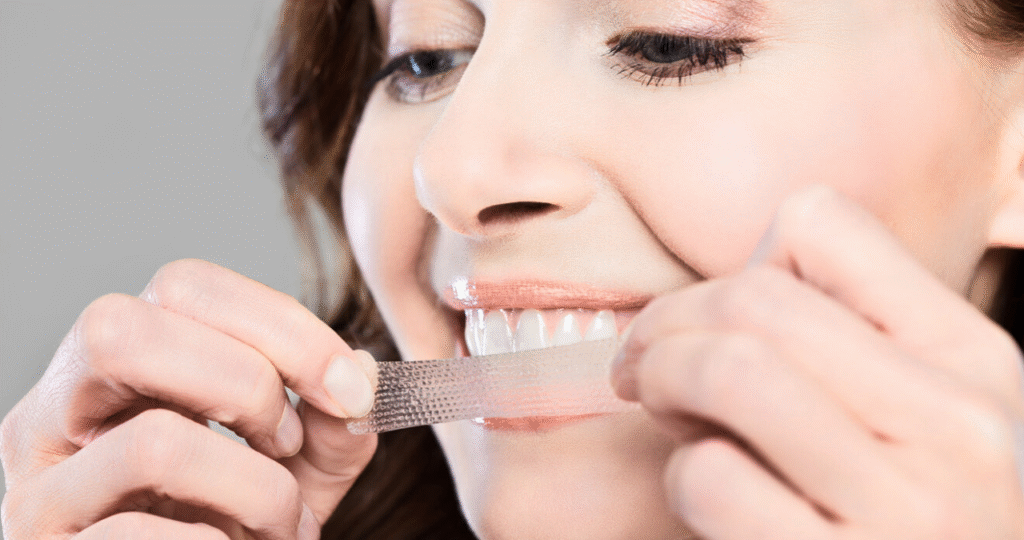
Crest Whitening Strips are thin, flexible plastic sheets that are coated with a whitening gel (typically peroxide-based) and are applied to the front surfaces of the teeth for a specified period of time. The active ingredient (most often hydrogen peroxide or carbamide peroxide) penetrates the enamel and works by breaking down pigmented molecules inside the tooth structure, thus making the teeth appear whiter. For instance, the brand itself says the product uses “the same enamel-safe, whitening ingredient that dentists use.”
Because of this mechanism, they are suited mostly for natural teeth, not for crowns, veneers, or restorations (which don’t respond the same way to bleaching agents).
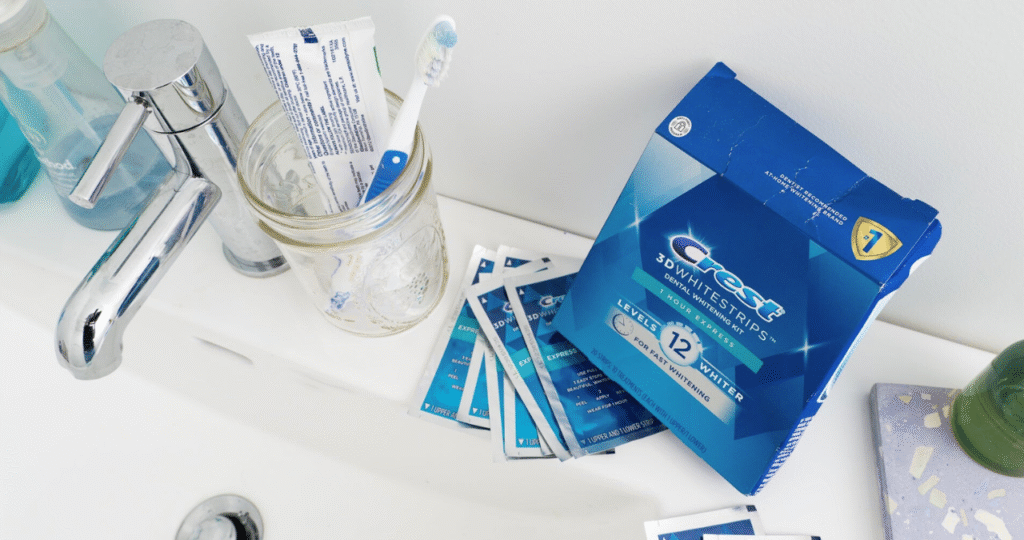
From a positive perspective: the fact that Crest’s “3D White Whitestrips” carry approval from the American Dental Association (ADA) for safety and efficacy is a strong indicator that they are not inherently “bad” when used as instructed.
So the baseline answer is: no—they are not necessarily bad for your teeth, provided you use them properly under the right conditions.
Potential Risks and Why “Bad” Might Apply for Some Users
That said, “not necessarily bad” doesn’t mean “risk-free.” Let’s inspect where potential problems can arise, why, and for whom.
Tooth Sensitivity
One of the most commonly reported side effects is increased sensitivity of the teeth (for example, to cold or hot substances) after using whitening strips. Home-whitening products are known to worsen sensitivity in some users.
Why does this happen? Because the peroxide agent penetrates the enamel and may irritate the dentin or nerve layer beneath, especially if the enamel is thinned or there are micro-cracks. The bleach mechanism involves free radicals, which can, according to studies on tooth whitening in general, cause temporary changes in enamel microhardness and irritate soft tissues.
In simple terms: if your teeth are already sensitive, or if you have existing enamel wear, the whitening strips may trigger discomfort. If you do experience sensitivity, it doesn’t necessarily mean the product is “bad,” but it means you might be using it under less-than-ideal conditions.
Gum or Soft Tissue Irritation
Another risk arises if the whitening gel touches your gums, lips, or other soft tissue around your mouth. When applied incorrectly—say the strip is too large or overlaps the gum line—this can result in irritation or even a “bleaching” look on the gum itself. A dental clinic website cautions that the whitening gel may “seep into your gums and lead to gum irritation.”
Again, the risk comes more from misuse than from the product being fundamentally dangerous.
Enamel and Restoration Considerations
Although the manufacturer emphasizes enamel safety, there are caveats: the structural integrity of the enamel may be affected if bleaching agents are used excessively or at high concentrations. Some reviews of whitening strips note that enamel changes (microhardness, wear) have been observed when very high concentrations are used.
Also, if you have fillings, crowns, veneers, or bridges, the whitening strips will not affect those materials. So you may end up with uneven colour: natural teeth become whiter, restorations stay the same. That mismatch may be aesthetically displeasing.
Effectiveness and Fit-Issues
A point often overlooked: if a product doesn’t fit well, the gel may not contact the tooth surface properly, or it may contact the gums. One clinic noted that because strips are “one size fits all,” they may give inconsistent whitening results and may irritate gums due to an imperfect fit.
So while not strictly “bad,” the outcomes may be sub-optimal if conditions are not ideal.
So, When Are Crest Whitening Strips Bad (or More Problematic)?
Based on the risks above, there are specific situations in which using Crest whitening strips could lean toward being “bad” (or at least not recommended) for your teeth. Here are those conditions and what you should keep in mind:
- If you already have tooth sensitivity or enamel erosion. If your enamel is thin (due to grinding, acid erosion, etc.), the peroxide in whitening strips may amplify sensitivity or cause discomfort.
- If you have gum disease, cavities, or untreated dental issues. Whitening should come after underlying oral health is addressed. If you apply bleach while there are cavities or open areas, you risk irritation and possibly worsened problems.
- If you have many crowns, veneers, or fillings on front teeth. Since strips will not change the colour of these, you may get mismatched white and off-white zones, which can look worse than before.
- If you apply the strips improperly (e.g., leaving them on too long, letting gel contact gums, using more than recommended frequency). Overuse or misuse can increase side effects.
- If you’re young (teeth still developing) or pregnant. There’s limited evidence for these special populations, so caution is advised.
- If your discolouration is deep/intrinsic (for example, from tetracycline staining or trauma). Whitening strips might not be effective, and you may end up disappointed (and still have the same underlying issue).
In these circumstances, yes — the use of whitening strips could lean toward being “bad” for your teeth, at least relatively speaking. The product isn’t inherently harmful in most healthy cases, but the margin of safety narrows under these conditions.
Expert and Brand Claims of Safety
It’s worth giving credit to the evidence and to the brand claims regarding the safety of this particular product line.
- Crest’s official website states that their 3D White Whitestrips are “formulated to be safe and effective when used as directed.”
- Similarly, Crest affirms that their whitening strips are “proven to be safe” in clinical trials, using the “same enamel-safe ingredient” as professional whitening.
- The ADA seal (for some Crest products) supports the notion that the product meets certain safety and efficacy standards.
- Independent dental-care resources also comment that whitening strips are generally safe when used correctly — but emphasise the need to follow instructions and recognise they aren’t a replacement for dental treatments.
So yes—in the majority of normal, healthy cases, Crest Whitening Strips appear safe and well-tolerated. The “bad” outcomes are mostly tied to misuse, pre-existing conditions, or unrealistic expectations.
Practical Tips for Safe Use
Given all the above, if you decide to use Crest Whitening Strips (or any whitening strips), here are expert-level tips to maximise safety and minimise risk:
- Consult your dentist first if you have cavities, gum disease, sensitive teeth, or many restorations.
- Ensure your teeth are clean (brush and floss) before applying the strips, so the gel contacts enamel and not plaque or debris.
- Apply only to dry teeth, as moisture may reduce adhesion and allow gel to seep onto gums.
- Position the strip carefully, making sure it hugs the tooth surface and avoids the gums.
- Follow the recommended time exactly. Don’t leave the strip on for longer than the instructions say.
- Use the correct frequency — some kits recommend daily use for a period, others every other day. Overuse increases the risk of sensitivity.
- After treatment, use a toothpaste for sensitive teeth if you feel tingling or sensitivity.
- Avoid staining foods and drinks (coffee, red wine, berries) immediately after treatment, as the enamel may be temporarily more porous.
- Be realistic about results: Whitening strips are better for mild to moderate surface stains. If your teeth are very dark or stained by medication, you might need a professional solution.
- Maintenance matters: Good oral hygiene, limiting stain-causing foods, and periodic “touch-up” use will help maintain results.
What the Evidence Says: Bottom Line
Summarising from research and expert commentary:
- Whitening strips (including Crest’s) can lighten teeth by one or two shades in many users.
- They are generally safe when used as directed, especially if your dental health is good.
- They carry some risk of sensitivity or gum irritation — particularly if your enamel is compromised, you leave gel on too long, or you have existing dental problems.
- They may not be effective (or fully appropriate) for all types of staining or for people with many dental restorations.
- The product is not inherently “bad,” but there are conditions under which it could turn into a less safe or less wise choice.