

Do Caffeine Patches Work. This Caffeine patches have become one of the most talked-about wellness products, especially among people who want a steady lift in energy without sipping on coffee all day. When you first hear about a caffeine patch, it almost sounds like something taken straight out of a science-fiction idea: a thin square placed on the skin that promises to give you the same boost you’d expect from your morning drink. The big question that naturally comes up is simple do caffeine patches work? To understand the answer, it helps to look at how these patches are designed, what they can realistically deliver, and why some people swear they are life-changing while others feel barely any difference at all.
When people ask Do caffeine patches work, they usually want a clear yes-or-no answer. But the truth is more nuanced. The human body processes caffeine in a very specific way, and the way caffeine enters the bloodstream plays a huge role in how it affects you. Many people assume that if caffeine works when you drink it, it should work the same way through the skin. But skin absorption has its own rules, and that changes the experience entirely. As a result, whether caffeine patches work becomes a much deeper question than it appears on the surface.
Understanding the Idea Behind Caffeine Patches
The popularity of caffeine patches grew largely because of the frustration many people feel with traditional caffeine habits. Some folks get jittery from coffee. Others hate the crash that comes a couple of hours later. And some people simply don’t want to drink cup after cup to keep energy levels steady. In theory, a patch that delivers caffeine slowly into the body sounds like the perfect fix. So when people ask Do caffeine patches work, they’re often comparing them to the caffeine delivery methods they already know, like coffee, tea, energy drinks, or supplements.
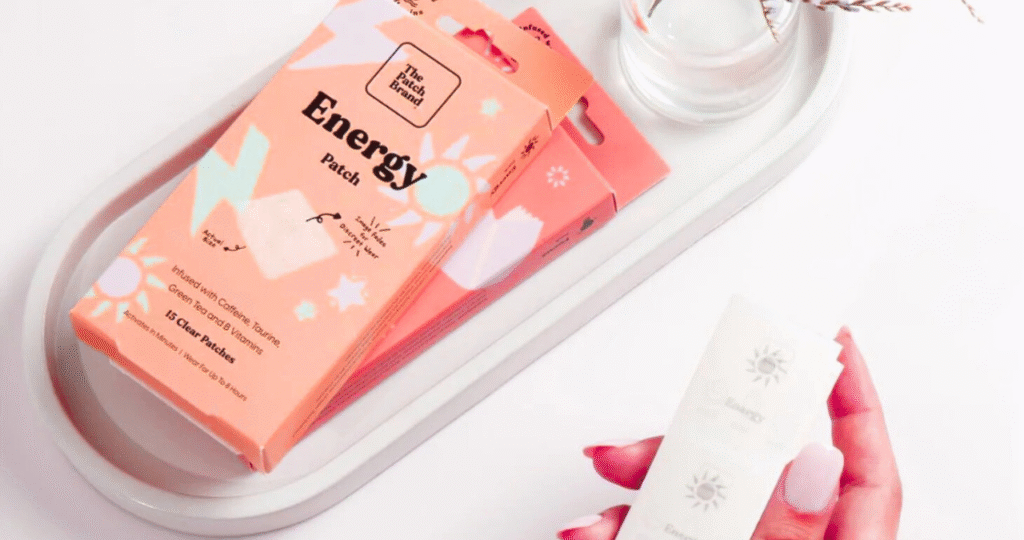
Do Caffeine Patches Work The concept behind a caffeine patch is pretty straightforward. Instead of swallowing caffeine, you place a small adhesive patch on your skin, usually on the upper arm or hip. The patch contains caffeine mixed with ingredients that help it move through the outer layer of the skin. The goal is a slow, steady release rather than a sudden spike. Whether caffeine patches work depends heavily on whether this slow release feels more helpful than the fast jolt people associate with drinking coffee. Many users say the biggest difference is that patches feel smoother no sudden burst, no shaky feeling, no crash just a subtle rise that continues for hours.
How Caffeine Absorption Works Through the Skin
To answer whether caffeine patches work, you need to understand how caffeine behaves once it touches the skin. The skin is designed to protect the body, so it’s not easy for molecules to get through. Caffeine is small enough to pass through, but it doesn’t do so quickly. This is why patches rely on a consistent release, not a rush of stimulation. People who expect the same instant effect they get from coffee often feel disappointed, leading them to say the patches don’t work. In reality, the patches do work but they work differently.
One of the most interesting things about skin-based caffeine delivery is that it bypasses the digestive system. This can be a real benefit for people who get stomach discomfort from drinking coffee. For them, the question of whether caffeine patches work often gets a very positive answer. They experience the stimulating effect without the acidity or bloating that sometimes comes with brewed drinks. The difference in absorption rate also means the caffeine stays active in the system for a longer and more controlled period, which is why some people find patches ideal for long study sessions, extended work shifts, or travel days.
Why People Turn to Caffeine Patches Instead of Coffee
A major reason people ask Do caffeine patches work is because they’re comparing them to familiar habits. Coffee gives a quick hit. Energy drinks give an even stronger jolt. But both can come with side effects like jitteriness, rapid heartbeat, or energy crashes. Patches promise something gentler and more predictable. That alone makes them appealing to people who want a calmer, steadier kind of alertness.
Another factor is convenience. Some people use caffeine patches because they don’t want to carry drinks around, don’t like waiting in line for coffee, or want something that works during moments when drinks aren’t practical. Nurses, drivers, and people working late-night shifts often turn to patches. So when they ask Do caffeine patches work, what they’re really asking is whether patches can replace multiple cups of coffee throughout a long day. For these users, the answer often depends on their expectations. If they want a rapid kick, they may be disappointed. If they want something steady, they may be pleasantly surprised.
The Science Behind Transdermal Stimulants
When you look at whether caffeine patches work, scientific research helps clear up some misconceptions. Caffeine molecules are small enough for the skin to absorb, but the process is far slower than ingestion. This slow absorption is actually the main reason patches exist. They’re designed to avoid spikes, crashes, and overstimulation. People who are sensitive to caffeine often respond better to gradual delivery, which makes patches ideal for them.
Another important aspect of this scientific approach is how Do Caffeine Patches Work he patches are formulated. Most caffeine patches combine caffeine with stabilizers and carriers that help the skin absorb it more efficiently. So, to truly answer Do caffeine patches work, you have to consider not only the caffeine amount but the entire formula. Some brands use higher-quality formulations that penetrate better, while cheaper ones may barely deliver any noticeable effect. The difference between a patch that works and one that doesn’t can often come down to how well the ingredients are balanced and how they interact with the skin’s natural barrier.