
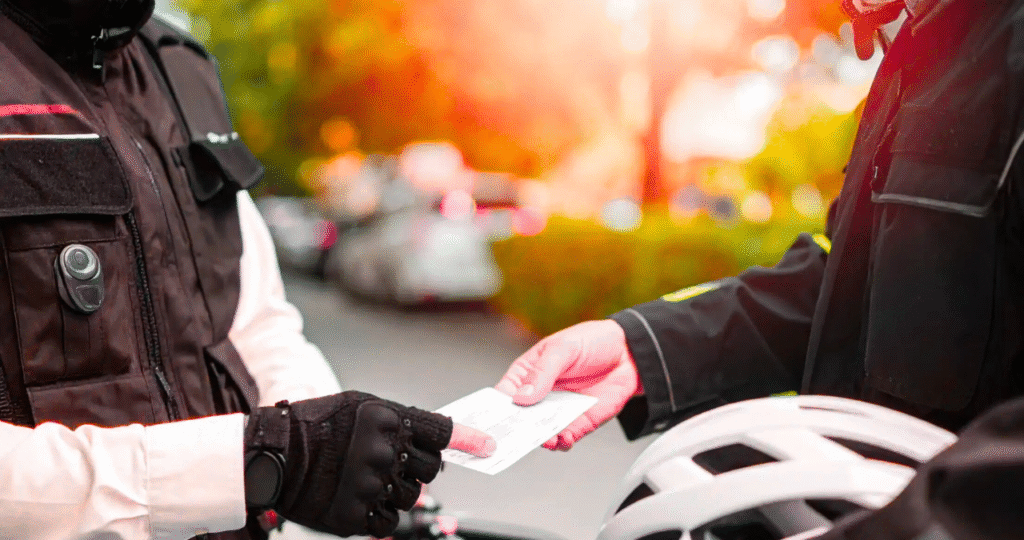

Can I Call the Police Department to Ask a Question. This Wondering whether you can reach out to law enforcement for casual guidance is surprisingly common. Many people hesitate because they’re unsure if calling might bother officers or tie up resources. So the big question becomes: can I call the police department to ask a question without stepping on any toes or creating unnecessary trouble? The short answer is yes—most departments actually encourage community members to reach out when they have concerns, need clarification, or simply want general information.
However, even though you can call, it’s important to understand how, when, and why to do it the right way. The difference between calling emergency services and calling a non-emergency line matters more than many people realize. Learning the distinction helps you stay informed, responsible, and respectful of the system. That is why exploring the idea behind can I call the police department to ask a question becomes more valuable than just seeking a simple yes or no answer.
When you dig deeper into what police departments actually do, you discover that they’re not just a response force. They’re also community educators, public safety advisors, and resources for clarity. So when people ask, I can call the police department to ask a question, what they often mean is: “Will they take me seriously? Will I get in trouble? Will I be wasting someone’s time?” Asking those questions is natural, and understanding the nuanced answer helps you feel more confident about reaching out when you genuinely need guidance.
Understanding What Police Departments Actually Do
To answer, can I call the police department to ask a question properly? You first have to understand the role of a police department beyond emergency response. Most people only interact with police in high-stress or unexpected situations, so they often assume that police have no time for general inquiries. In reality, police departments intentionally maintain public communication channels because staying connected to the community helps them do their jobs better.
A police department offers public services that include crime prevention education, safety resources, neighborhood support, and community outreach. These responsibilities rely heavily on open communication. So if you’ve ever wondered, can I call the police department to ask a question about safety tips, local laws, or non-urgent concerns? Those are exactly the kinds of inquiries that officers and administrative staff expect from the public.
Another part of a police department’s mission is transparency. When you ask yourself, I can call the police department to ask a question regarding procedures, policies, or your rights, that’s part of what they’re there to explain. They can’t provide personal legal advice, but they can absolutely share general guidance that helps you stay informed. This kind of communication builds trust, reduces fear, and ensures that residents understand how to interact with law enforcement safely and effectively.
When It Is Appropriate to Call the Police With a Question
One of the biggest misunderstandings behind Can I call the police department to ask a question is knowing which questions are appropriate. Many people picture officers rushing to stop crimes and assume any call about non-urgent topics would be unwelcome. But the truth is that police departments operate both emergency and non-emergency channels for a reason. If your situation isn’t immediate, dangerous, or life-threatening, the non-emergency line is exactly where your call belongs.
You should always feel comfortable calling a non-emergency number to ask about things like police reports, neighborhood disturbances, traffic regulations, suspicious activity, safety concerns, and department policies. These are normal reasons behind the question Can I call the police department to ask a question, and they fall well within the purpose of non-emergency lines. Officers and administrative personnel handle such inquiries constantly.
But timing matters. When you consider whether I can call the police department to ask a question, you also need to evaluate whether your question can wait until business hours. Administrative staff usually handle non-critical information, while patrol officers respond to active community needs. Your call won’t be unwelcome, but directing it appropriately helps the department manage resources more smoothly. Calling during business hours makes it easier to talk to the right person without delay or redirection.

Understanding the Difference Between Emergency and Non-Emergency Calls
If you’ve ever hesitated and asked yourself Can I call the police department to ask a question, the hesitation probably came from confusion about the difference between general inquiry calls and emergency calls. Emergency numbers are designed only for immediate threats—those situations where someone is in danger, a crime is occurring, or urgent intervention is needed. For general questions, emergencies aren’t part of the equation.
A non-emergency line, on the other hand, is built specifically for situations that don’t require urgent action but still involve police assistance, communication, or information. These are the lines you use when asking Can I call the police department to ask a question that is simple, informational, or procedural. They exist so you can reach someone who isn’t actively responding to unpredictable events.
People sometimes fear that calling a police department—even on a non-emergency line—might pull resources away from critical needs. But this isn’t how the system is structured. Staff receive training to triage calls appropriately, and your polite inquiry won’t interfere with emergency operations. If you’ve been avoiding a call because you’re unsure whether calling the police department to ask a question is acceptable, understanding this distinction removes that worry entirely.
Examples of Good Reasons to Call for General Questions
Knowing you can call the police department to ask a question is one thing, but having clear examples helps people feel even more confident. Community members often reach out to police departments for information about filing reports, retrieving lost property, traffic laws, parking concerns, or noise complaints. These subjects are everyday examples of what police departments handle, and your questions about them are entirely appropriate.
Another common reason people wonder if they can call the police department to ask a question is confusion about what counts as suspicious activity. Many residents feel unsure whether something they observed is important enough to report. Police departments appreciate calls that clarify observations because community vigilance helps prevent larger issues. Calling for advice is constructive, not bothersome.
Many people also ask about local ordinances or regulations that differ from place to place. If you’re unsure whether something is allowed—like home security practices, event permits, or vehicle regulations—thinking Can I call the police department to ask a question is completely reasonable. Police can’t offer legal representation, but they can provide clarity on general rules that affect public safety.
The Right Way to Call and Ask a Non-Urgent Question
Now that you understand you can call the police department to ask a question without hesitation, the next step is learning how to make the call most effectively and respectfully. Police departments operate under structured communication systems, and a well-prepared caller helps keep the process smooth for everyone involved.
Before calling, take a moment to gather any information you might need—addresses, times, descriptions, or details related to your question. This preparation shows respect for the time of whoever answers your call. When you make the call, simply state why you’re calling and clearly mention that your situation is non-emergency. This removes any confusion and immediately tells the staff that your reason aligns with the appropriate channel.
Speaking calmly, politely, and directly helps the process go quickly. Even if your question is simple, the person on the other end wants to help. So if you’ve been unsure whether I can call the police department to ask a question casually, rest assured that clear communication makes the interaction efficient and comfortable for both parties.
Why People Hesitate to Call the Police for a Simple Question
Even though the answer to Can I call the police department to ask a question is yes, many people still feel nervous about making the call. This hesitation often comes from fear of doing something wrong, wasting time, or appearing uninformed. Social pressure makes people think that police should only be contacted for serious situations, even though police departments actively encourage open communication.
This hesitation also stems from a misunderstanding of how dispatch systems work. Many people assume that every phone line leads directly to an officer who is in the middle of handling something urgent. In reality, non-emergency calls usually go to dedicated staff or call takers who handle questions all day long. When you ask yourself Can I call the police department to ask a question, the fear often reflects myth rather than reality.
Another part of the hesitation comes from not wanting to seem difficult or bothersome. But community-based policing relies on residents who ask questions, seek guidance, and stay informed. If no one ever called with concerns or inquiries, communication would break down, leaving more room for confusion and potential problems. Understanding this can help ease your fears when you wonder, I can call the police department to ask a question for everyday clarity.
Questions the Police Cannot Legally Answer
Although you can call the police department to ask a question, there are boundaries to what officers and staff can legally discuss. Police cannot provide personalized legal advice, interpret legal contracts, or resolve private civil disputes on the phone. Their job is to enforce laws, not act as legal counsel or personal mediators. So, although calling is encouraged, knowing what they cannot answer prevents frustration on both sides.
This limitation also protects both you and the department. For example, someone might ask whether they’re legally allowed to take a specific action regarding a neighbor, tenant, or family member. These are the moments when the question Can I call the police department to ask a question becomes complicated, because the answer might be that the topic requires a lawyer, not a police representative. Police cannot guide you in a way that influences private legal outcomes.
Additionally, police cannot make promises about future enforcement decisions or guarantee how they will handle a specific hypothetical scenario. These restrictions are in place to ensure fairness. When you ask yourself, Can I call the police department to ask a question involving sensitive legal interpretation, keep in mind that general guidance is fine, but specialized advice is outside their scope.
How Police Departments Feel About Public Questions
You might be surprised to learn that officers generally appreciate when citizens ask informed, respectful questions. So the question Can I call the police department to ask a question isn’t something departments view negatively. Instead, they see it as a sign that the community is engaged and invested in mutual safety. Good communication reduces misunderstandings and helps build cooperation during actual incidents.
Many departments would rather you call with a question than make incorrect assumptions or take unsafe actions. Officers prefer clarity and caution from the public, and a quick phone call often prevents confusion from growing into a bigger issue. So when you wonder, Can I call the police department to ask a question, understand that your curiosity helps create stronger relationships between law enforcement and community members.
Departments also rely on public feedback to improve services. Questions help them understand what topics the community finds confusing, concerning, or unclear. If ten people call with similar questions, the department may choose to update public information or create new educational materials. This means the question Can I call the police department to ask a question goes beyond personal benefit—it also helps shape the broader communication strategy of your local department.
What Happens After You Call
After acknowledging that you can call the police department to ask a question, it helps to know what the process looks like. On a non-emergency call, your inquiry is usually answered by a trained operator, dispatcher, or administrative staff member who handles public questions daily. They listen to your concern, gather basic details, and decide whether they can answer directly or transfer you to someone more specialized.
If your question requires input from a specific unit—like traffic, investigations, or community relations—you may be transferred or asked for a callback number. You may also be directed to online resources, forms, or office hours depending on the nature of your question. This is normal and not a sign that you shouldn’t have called. Many inquiries can be resolved immediately, but others benefit from connecting you with the right internal department. That’s part of the process when you decide, can I call the police department to ask a question for more detailed guidance?
In some cases, your call might prompt documentation, especially if your question relates to suspicious behavior or community safety issues. This helps build patterns and track recurring concerns. Even when your intention isn’t to file a report, your phone call might provide helpful context that assists the department in monitoring local issues. So, when considering I can call the police department to ask a question, remember that your input can be useful beyond just personal clarification.
When Calling Might Not Be the Best Option
Although you can call the police department to ask a question without hesitation, sometimes calling isn’t the most efficient option. Departments today maintain websites, social media pages, community forums, and published guides that already answer many frequently asked questions. Checking these resources first may save you time, especially for administrative matters like office hours, fingerprinting services, permit processes, or event scheduling.
Another scenario where calling may not be ideal is when the question involves strictly private legal issues. Police will simply direct you to an attorney, which means the question would be better handled by legal professionals from the start. In those moments, asking yourself Can I call the police department to ask a question might lead you to a yes, but the outcome may not be helpful.
Finally, calling late at night for a non-urgent administrative question can lead to longer wait times. It’s still allowed, and you can always call the police department to ask a question, but you’ll have a smoother experience during regular business hours when administrative staff are available.
Why Community Engagement Matters in Public Safety
The idea behind Can I call the police department to ask a question ties into a broader principle: community engagement. When residents understand their rights, know how to report concerns, and stay informed, the entire neighborhood becomes safer. Police departments want informed communities because those communities can identify issues early, prevent escalation, and cooperate effectively when real emergencies occur.
When people build a habit of reaching out with questions, they also create a culture of transparency and trust. In many communities, misinformation spreads quickly, especially through social media. A simple call can clarify misunderstandings about local laws, safety concerns, or events. So the question Can I call the police department to ask a question becomes part of a larger, healthier pattern of communication that benefits everyone involved.
Conclusion
At this point, the answer to Can I call the police department to ask a question should feel much clearer and more comfortable. Not only can you call, but doing so is often helpful, encouraged, and completely appropriate. Police departments are community-oriented institutions that rely on the public to communicate openly, ask questions, and seek clarity when needed.