

Ocean Rescue. The vastness of the ocean has always fascinated humanity. Its beauty, power, and mystery draw people to explore and enjoy its depths. However, the ocean is not without its dangers. Swift currents, unpredictable weather, and treacherous waves can quickly turn a recreational outing or maritime voyage into a life-threatening situation. is the critical field that ensures safety on the waters, combining expertise, technology, and dedication to save lives. Whether it’s rescuing stranded sailors, aiding swimmers caught in rip currents, or responding to maritime disasters, the importance of cannot be overstated.
Ocean rescue is more than just a profession; it is a commitment to human life. Professionals in this field undergo rigorous training to handle extreme scenarios, often placing themselves in harm’s way to ensure the safety of others. From small coastal towns to bustling international waters, teams play a vital role in minimizing fatalities and preventing tragedies. Every rescue mission is a testament to human courage and ingenuity, demonstrating the critical importance of preparation, teamwork, and swift action.
The History of Ocean Rescue
Ocean rescue has evolved significantly over the centuries. In the early days, communities relied on rudimentary methods, often improvising with simple boats or swimming techniques. Coastal villages developed informal systems to watch over fishermen and travelers, but organized rescue operations were rare. As maritime trade expanded, the need for structured ocean rescue became apparent, leading to the formation of dedicated lifeboat services and coast guard organizations.
Ocean Rescue During the nineteenth century, lifeboat stations were established in various parts of the world. These stations were often staffed by volunteers who braved harsh conditions to save stranded sailors. Over time, rescue equipment became more sophisticated, including the development of life jackets, specialized rescue boats, and signaling devices. The evolution of ocean rescue reflects humanity’s growing understanding of the ocean’s dangers and the unwavering commitment to protect those at sea.
Modern Techniques in Ocean Rescue
Ocean Rescue Today, combines traditional methods with advanced technology to enhance efficiency and safety. Modern rescue teams utilize helicopters, speedboats, and specialized vessels to reach distressed individuals quickly. Aerial surveillance allows rescuers to locate swimmers or boaters in trouble, while sonar and radar systems help identify hazards and stranded vessels. Technology has made faster and more precise, drastically improving survival rates.
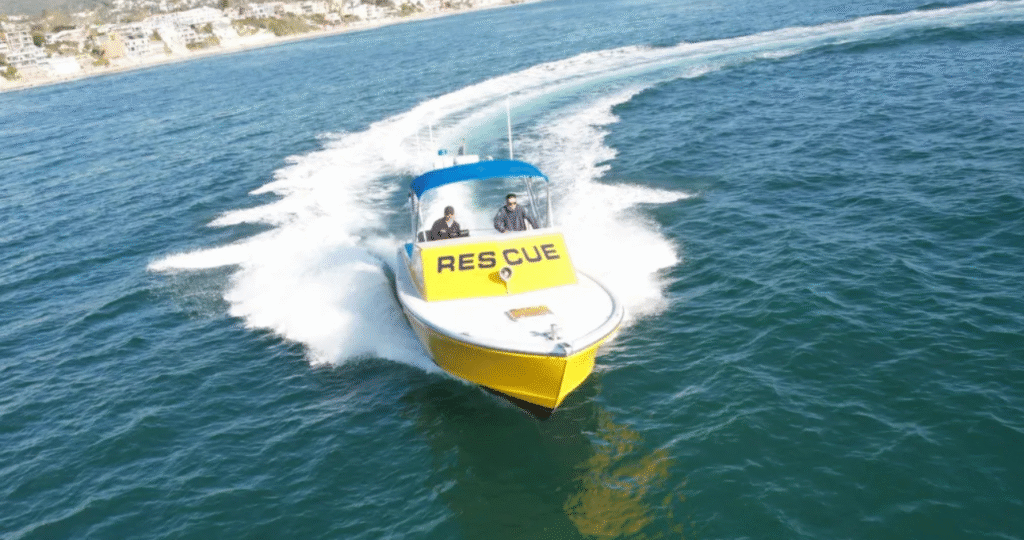
Rescue personnel are also trained in medical interventions, ensuring that victims receive immediate care. CPR, hypothermia management, and first aid are integral parts of training. Additionally, modern teams often coordinate with local authorities, weather services, and maritime organizations to ensure timely responses. The synergy of technology, training, and communication makes contemporary operations remarkably effective in saving lives.
The Role of Lifeguards in Ocean Rescue
Ocean Rescue While much attention goes to large-scale maritime rescues, lifeguards play an essential role in coastal safety. These professionals monitor beaches, swimming areas, and surf zones, preventing accidents before they escalate. Lifeguards are trained to recognize signs of distress, identify dangerous currents, and respond swiftly to emergencies. Their vigilance and quick action often prevent minor incidents from turning into life-threatening situations.
Lifeguards also educate the public on ocean safety, including swimming techniques, rip current awareness, and emergency procedures. Through community outreach and hands-on training, they empower individuals to make informed decisions around the water. By combining prevention, education, and active rescue efforts, lifeguards form the first line of defense in ocean safety.
Challenges in Ocean Rescue
is not without its challenges. Rescuers face unpredictable weather, treacherous waters, and the sheer scale of the ocean. Storms can complicate rescue operations, while strong currents and large waves pose significant risks to both victims and rescuers. Additionally, the vastness of open water makes locating individuals a daunting task, often requiring a combination of skill, technology, and luck.
Human behavior also adds complexity to ocean rescue. Panicked swimmers may inadvertently hinder rescue efforts, while unprepared boaters may underestimate the dangers of the sea. Rescuers must constantly adapt to rapidly changing situations, relying on experience, training, and teamwork to navigate these challenges effectively.
Ocean Rescue Organizations Worldwide
Several organizations around the world are dedicated to ocean rescue. The Coast Guard, Royal National Lifeboat Institution, and various maritime safety agencies provide professional rescue services across coastal regions. These organizations operate with highly trained personnel, modern equipment, and strategic planning to respond to emergencies efficiently.
In addition to governmental agencies, volunteer organizations also play a crucial role in ocean rescue. Many coastal communities maintain volunteer lifeboat crews, search and rescue teams, and marine safety patrols. These organizations often collaborate with professional agencies, creating a robust network capable of handling diverse rescue scenarios.
Training and Skills Required for Ocean Rescue
Effective ocean rescue requires specialized skills and comprehensive training. Rescuers must be proficient in swimming, boating, and survival techniques. Physical fitness is critical, as ocean rescue operations can be physically demanding and exhausting. Additionally, knowledge of navigation, weather patterns, and maritime safety protocols is essential for successful rescues.
Beyond technical skills, ocean rescue demands mental resilience. Rescuers face high-stress situations and must make quick, life-saving decisions under pressure. Teamwork and communication are equally important, as coordinated efforts often determine the success of a mission. Continuous training, drills, and simulations ensure that ocean rescue teams are prepared for any scenario.