


Can Felons Buy a House. Finding a place to call home is one of the most important goals in life. But for people with a criminal record, especially those labeled as felons, that dream often feels just out of reach. Many wonder whether their past can prevent them from owning a home or even qualifying for a mortgage. The question — can felons buy a house — carries more than just curiosity; it represents hope, change, and the possibility of building a better future.
The good news is that having a felony on your record doesn’t automatically disqualify you from buying a house. Owning property is not restricted by criminal background in most cases. However, there are still certain challenges and extra steps that felons may face when trying to secure financing, find a willing lender, or even be approved for specific housing programs. Understanding these obstacles and how to overcome them is key to making homeownership a reality.
Understanding What It Means to Be a Felon
Before diving into how the home-buying process works for felons, it’s important to understand what being a felon actually means in the housing and financial world. A felon is someone who has been convicted of a serious crime, one that typically carries a sentence of more than a year in prison. Once released, the person often faces difficulties reintegrating into society, especially when it comes to employment, housing, and credit.
In most cases, private homeownership is not restricted by criminal history. That means if a felon has the financial ability to purchase a home outright with cash, they can do so freely. The real challenge arises when financing comes into play. Banks, credit unions, and mortgage companies may evaluate not only your credit history and income but also sometimes your background, depending on the type of loan you apply for.
Even though the criminal record itself doesn’t bar someone from owning a house, it can influence the opportunities available for financing or housing assistance programs. Knowing the difference between legal barriers and financial ones is crucial in answering whether felons can buy a house successfully.
The Misconception About Felons and Homeownership
Many people believe that felons are permanently banned from owning property, but that’s simply not true. There are no laws in most states that prohibit a felon from purchasing a home. This misconception often comes from confusion between renting, public housing rules, and private property ownership. While felons might face restrictions when applying for federally funded housing or certain types of public assistance, buying a home privately is a completely different story.
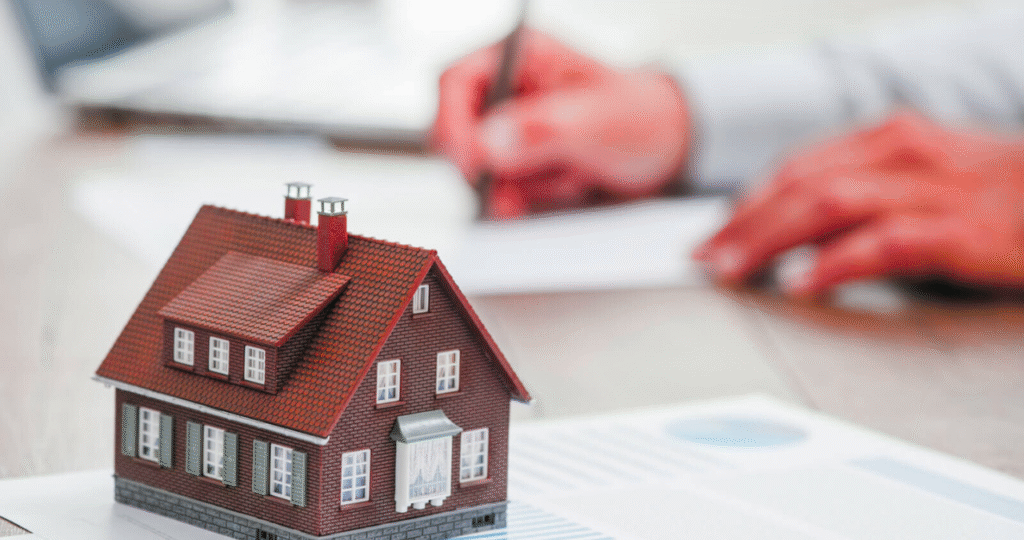
The idea that felons can’t buy homes often spreads because of the difficulties they face during the process. For example, having a criminal record can make it harder to find stable employment, which in turn affects income and creditworthiness — both of which are key factors when qualifying for a mortgage. However, these challenges are not permanent. With financial planning, credit repair, and determination, felons can absolutely own their own homes.
Many lenders today also recognize that people deserve second chances. The housing industry has evolved to become more inclusive, and programs designed to help people rebuild after incarceration are becoming more common. So, when asking Can felons buy a house, the answer isn’t just yes — it’s yes, with a little more effort and guidance along the way.
The Legal Rights of Felons in Real Estate
From a legal standpoint, there’s nothing preventing felons from purchasing property. The law does not restrict homeownership based on criminal history, which means felons have the same right to buy a home as anyone else. Owning real estate is considered a civil right, and that right remains intact after completing a sentence, even for those with a felony conviction.
However, certain circumstances may complicate the process. For instance, if someone is still on parole or probation, there may be conditions that limit where they can live or how they can purchase property. Some parole conditions may require approval from an officer before changing residence or purchasing real estate. Once all conditions of parole or probation are completed, these restrictions typically disappear, and the individual is free to buy a home wherever they wish.
It’s important to note that private sellers and real estate agents generally do not have access to a buyer’s criminal record unless it is disclosed voluntarily. This means that in most private real estate transactions, the question of a felony record may never even come up.
How Credit Affects the Ability to Buy a House as a Felon
While the law doesn’t stop felons from buying property, financial hurdles often do. Credit plays a huge role in determining whether you can qualify for a mortgage, and unfortunately, many felons struggle with poor credit after incarceration. Limited job opportunities, unpaid debts, and a lack of financial activity can all drag down credit scores, making it harder to get approved for a home loan.
Rebuilding credit is a vital step toward homeownership. Felons who focus on paying off old debts, managing current bills responsibly, and maintaining consistent income can see their credit improve over time. Secured credit cards, small loans, and regular payment histories are powerful tools for repairing credit. Lenders want to see that you’re financially stable now, regardless of your past.
Even if a credit score is low, there are still options. Some lenders specialize in working with people who have less-than-perfect credit. Government-backed loans, such as those through the FHA, are also more forgiving toward borrowers with financial or personal challenges, including felony records. With persistence, it’s entirely possible to get approved and move into homeownership successfully.