
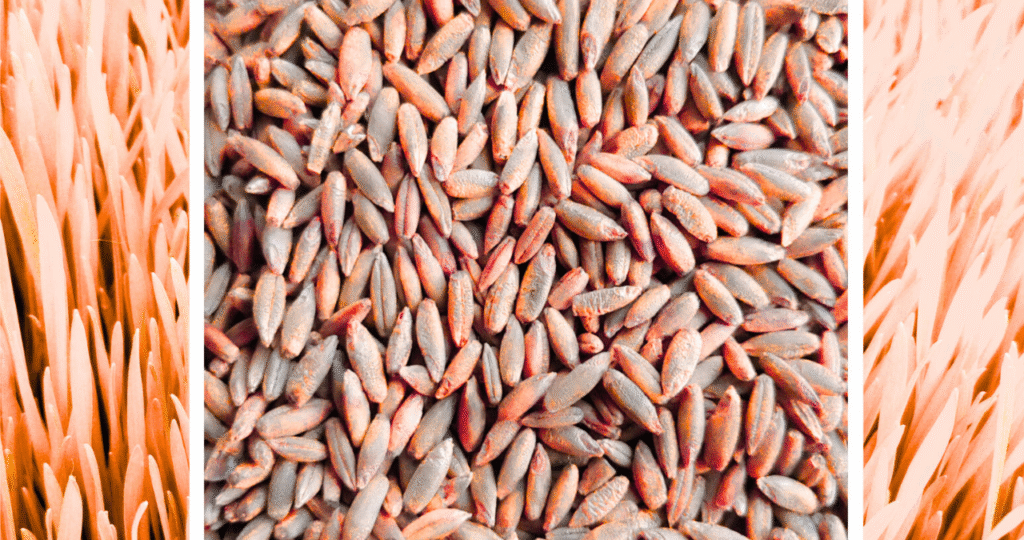

Hay and Grass Seed. When it comes to maintaining lush pastures, healthy lawns, or nutritious feed for livestock, hay and grass seed play a pivotal role. Choosing the right seeds can make the difference between a thriving green expanse and a patchy, underperforming field. Whether you are a seasoned farmer, a livestock owner, or a hobby gardener, understanding the intricacies of is essential. From selecting the proper species to planting techniques, each decision affects the growth, yield, and quality of your pasture or garden.
In this comprehensive guide, we’ll explore everything you need to know about seed.Grass Seed We’ll cover types, planting strategies, maintenance, benefits, and even troubleshooting common issues. By the end of this guide, you’ll be ready to make informed choices and maximize the potential of your land or garden.
Understanding Hay and Grass Seed
are the foundation of any successful pasture or lawn. Grass seed provides the raw material for growth, while hay offers a way to preserve and use grasses efficiently as feed. The quality of directly impacts nutrition, soil health, and overall productivity.
Not all seeds are created equal. Some varieties thrive in wet conditions, while others excel in dry climates. Similarly, the nutritional content of hay depends on the type of grass used. By understanding the characteristics of various and grass seeds, farmers and gardeners can choose the right combination to meet their specific needs.
Types of Hay and Grass Seed
When selecting hay and grass seed, you must consider your climate, soil type, and intended use. Several popular types cater to different purposes.
Hay and Grass Seed For livestock feed, perennial grasses like Timothy, Orchard, and Fescue are preferred for their high digestibility and nutritional value. For lawns and recreational fields, Kentucky Bluegrass and Ryegrass are widely used for their durability and vibrant green color. Each type of hay and grass seed has unique growth habits, so matching the seed to your environment is crucial for success.
Preparing the Soil for Planting
The foundation of successful hay and grass seed growth is healthy soil.Hay and Grass Seed Proper soil preparation ensures seeds germinate evenly and plants establish strong roots. Start by testing soil pH, as most grasses thrive in slightly acidic to neutral soils. Adding organic matter, lime, or fertilizers can correct deficiencies and promote vigorous growth.
Tilling the soil helps create a smooth, fine seedbed. Removing weeds and debris reduces competition for nutrients and water, giving your hay and grass seed the best start possible. Proper preparation can significantly increase germination rates and long-term productivity.
Planting Techniques for Optimal Growth
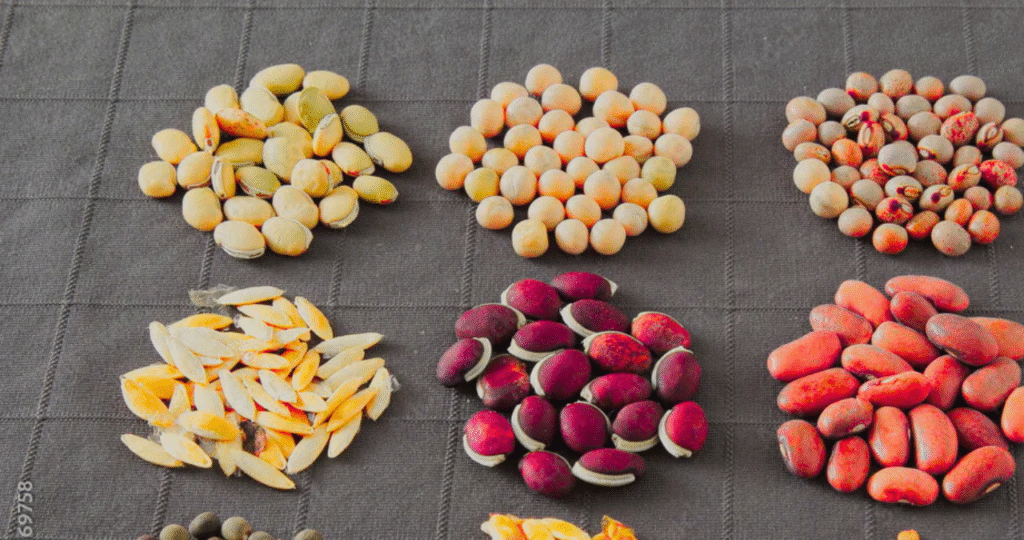
Planting hay and grass seed requires more than simply scattering seeds. Seed depth, spacing, Hay and Grass Seed and timing all affect establishment and yield. Small seeds generally need shallow planting, while larger seeds can be sown slightly deeper. Using a broadcast spreader or seed drill ensures even distribution and reduces wasted seed.
Hay and Grass Seed Timing is also critical. Planting during the growing season or after frost ensures the seeds have ideal conditions to germinate. Combining species in a seed mix can enhance resilience, promote continuous growth, and improve overall pasture quality.