

How to Keep Bud from Drying Out, How to Keep Bud from Drying OutMaintaining the freshness, aroma, and overall quality of your buds is an art in itself — one that goes far beyond simply shelving them away and hoping for the best. Whether you’re storing for short-term use or planning for long-term preservation, knowing how to keep buds from drying out is foundational. Below, I’ll walk you through the why, the how, the common mistakes, and the fine details — tailored for someone who wants expert-level insight but explained in a relaxed, conversational way.
The Importance of Preventing Your Bud from Drying Out
When you focus on how to keep bud from drying out, you’re really caring for more than just moisture content. You’re protecting aroma, protecting potency, protecting the user experience.
First, let’s consider moisture: after harvest, buds still contain natural moisture. If that moisture leaves too quickly or unevenly, you end up with brittle, flavourless material. At the same time, too much moisture or uncontrolled drying invites mould and other negative outcomes. So the goal is balanced preservation.
Second, there are compounds inside buds — terpenes (which give aroma and flavour) and cannabinoids (which give the effect). These are sensitive. If you let the bud dry out badly, those compounds degrade, the aroma fades, the taste changes, and the potency diminishes. For example, one source notes that exposure to light, oxygen, and heat gradually degrades cannabinoids and terpenes.
Third, drying isn’t just about leaving the bud “dry enough to smoke”. It’s about preserving the interplay of texture, flavour, and effect. When you know how to keep bud from drying out properly, you preserve the experience of the flower — the aroma when you break it apart, the smoothness when you use it, the full-profile flavour.
So, understanding how to keep bud from drying out is about respect for what the flower offers, and about making your efforts count.
Understanding What Happens When Bud Dries Out
When you dive into how to keep bud from drying out, it helps to know what happens when things go wrong — so you’ll know what you’re protecting against.
One key outcome of overdrying: the bud becomes brittle, crumbly, light, lacking in “give” when you press it. The trichomes may break off easily, meaning you lose valuable material. One article points out that when buds are too dry, you see a brittle texture and a loss of aroma and potency.
Also: if dryness is too extreme, you may find the smoke harsh — because the chlorophyll and other compounds haven’t been fully broken down, or because the heat of combustion hits a material that’s overly dry and lacking in “softness”. The flavour becomes less rich, more “flat”. The potency may drop because the cannabinoids degrade or oxidize faster in a dry, oxygen-rich environment. As one source states: “When weed is too dried out: Loss of aroma and flavor… Loss of potency. Harsh to inhale.”
On the flip side, if you don’t manage moisture properly, you risk the opposite: too much humidity, or uneven drying, which can invite mould. So in the context of how to keep bud from drying out, it’s not only about avoiding dryness — it’s about maintaining the right moisture level, at the right pace, in the right environment.
The Ideal Conditions for Storage: Temperature, Humidity, Light, Air
In your quest for how to keep bud from drying out, these four conditions are your core parameters: temperature, relative humidity (RH), light exposure, and air (oxygen) exposure. All of them need to be managed.
Temperature: Excessive heat speeds up the degradation of terpenes and cannabinoids and can cause the bud to dry out faster. One guideline says that storing at temperatures between about 32 °F and 68 °F (0 °C to ~20 °C) is ideal for freshness. If temperatures climb above that, you risk losing aroma and flavour more rapidly.
Humidity (RH): Keeping relative humidity in a controlled range is critical. For example, during curing, ideal RH might be around 58–62 % to preserve flavour and potency. If RH gets too low, buds dry out, become brittle, and lose trichomes. If too high, the mould risk rises.
Light exposure: Light, especially UV light, is a major enemy of terpenes and cannabinoids. One source highlights that “too much exposure to light… is the single largest contributor to the loss of cannabinoids in weed”. So, to keep bud from drying out (and maintaining quality), you must keep it in a dark or at least non-bright environment.
Air (oxygen) exposure: Oxygen leads to oxidation of the compounds in the bud and also facilitates moisture loss. Therefore, an airtight container or limiting headspace in a container is helpful. As noted: “Too much exposure to … air will cause early death of your weed stash”.
Putting those together: You want a dark, cool-ish place, with stable moderate humidity (not too low), minimal exposure to light and air, and consistent temperature. When you manage those, you’re well on your way to learning how to keep bud from drying out properly.
Practical Storage Solutions: Containers and Accessories
Now let’s get practical. Knowing how to keep bud from drying out is one thing — doing it is another. Here are container strategies, accessories, and storage methods that will help.
Airtight glass jars: Glass jars with a tight seal are one of the most recommended storage options. They do not introduce static (unlike plastic) and are easy to clean. According to expert advice, using an airtight, UV-protected glass container is a key way to preserve freshness.
Humidity control packs: These are small pouches that regulate humidity inside your container. They help maintain RH at your target range, absorbing or releasing moisture as needed. Using them is a smart method for keeping buds from drying out (or from becoming overly dry).
Humidor-style containers: Think of a humidor for your buds (like cigar humidors, but designed for this purpose). These can keep RH in the correct range and shield from oxygen/light. One source mentions using humidor-style boxes for longer-term storage.
Avoid certain containers: For example, plastic bags and large containers with lots of headspace are less optimal because they allow air and may cause static that knocks off trichomes. Also, containers that are too large create unnecessary headspace where oxygen can degrade your buds. One guide says: “Don’t use a container that’s too large … air will take up the space not occupied by your weed and cause oxidation over time.”
Cool, dark places: Regardless of the container, keep it somewhere cool, dark, stable. Wardrobe drawer, cupboard away from heat/light, etc. Keep the temperature low and constant.
By combining these container/accessory strategies with the environmental conditions above, you’re doing the heavy lifting for how to keep the bud from drying out.
Handling and Use Tips: What to Do & What to Avoid
Even the best storage setup won’t protect you if you mishandle or misuse your buds. Here are tips for good handling and common pitfalls — all oriented around how to keep bud from drying out (and losing quality).
Do grind only what you need: Grinding increases surface area, which speeds up drying and terpene loss. One recommendation: grind only what you plan to use soon, not your entire stash.
Avoid frequent opening of the jar: Every time you open the container, you introduce fresh air and light. This accelerates drying and oxidation. So when you apply how to keep bud from drying out, limiting exposure is key.
Don’t store in fridge/freezer (generally): While the fridge or freezer may seem like a good idea to keep things cool, they can introduce temperature/humidity fluctuations and cause condensation, which may lead to mould or breakage of trichomes. One source says: “Don’t keep cannabis in the freezer or fridge … temperature fluctuations lead to condensation, mold.”
Avoid buying too much in bulk (if you won’t use it soon): The larger the amount you store, the harder it is to maintain uniform conditions and limit headspace/air exposure. One article states, “Don’t buy too much bulk unless you will use it,” because excess quantity increases the risk of drying out before use.
Burping jars (for curing): If you are curing your buds (i.e., storing for the long term), then the process of “burping” (opening the jar periodically to exchange air) is part of long-term maintenance. If you skip proper curing, you risk uneven moisture and eventual drying out. As one guide explains, for curing, “Burping too much or too little” is a mistake.
By handling your buds with this care, you uphold the goal of how to keep buds from drying out — not just for storage, but for using them when you want them.
Recognising Signs that Bud Is Drying Out — And What To Do
Even with the best intent, buds may begin to dry out. Knowing the signs and being able to respond is part of being an expert. Here’s how you identify it and what you can do.
Signs:
- Buds feel very brittle and crumble easily.
- Aroma is weak or gone; flavour is flat instead of vibrant.
- Texture is overly dry: stems snap rather than bend; features are dry to the touch.
- When storing for a longer time, potency may be noticeably weaker than expected (though harder for casual users to test exactly).
- What to do:
- If buds are overly dry, you can consider gentle re-hydration methods (depending on context). One source describes methods like placing a piece of bread, lettuce, or a moistened paper towel in the jar (without direct contact) for controlled moisture restoration.
- After re-hydration, recalibrate your storage conditions: make sure humidity is within the ideal range, switch to a better container if needed, and reduce exposure to air/light.
- For future batches: ensure that drying and curing steps (if you harvest the buds yourself) are done properly so that you’re storing a product already optimised for how to keep bud from drying out.
- By spotting drying early and acting, you reduce quality loss and maintain freshness. Good storage is part of the story — so is good ongoing monitoring.
When You Harvest and Cure — Why it Matters for Long Storage
If you’re dealing with your own harvest (or purchasing buds for long-term storage), the drying and curing steps matter hugely for how to keep bud from drying out later on. Let’s explore why and how.
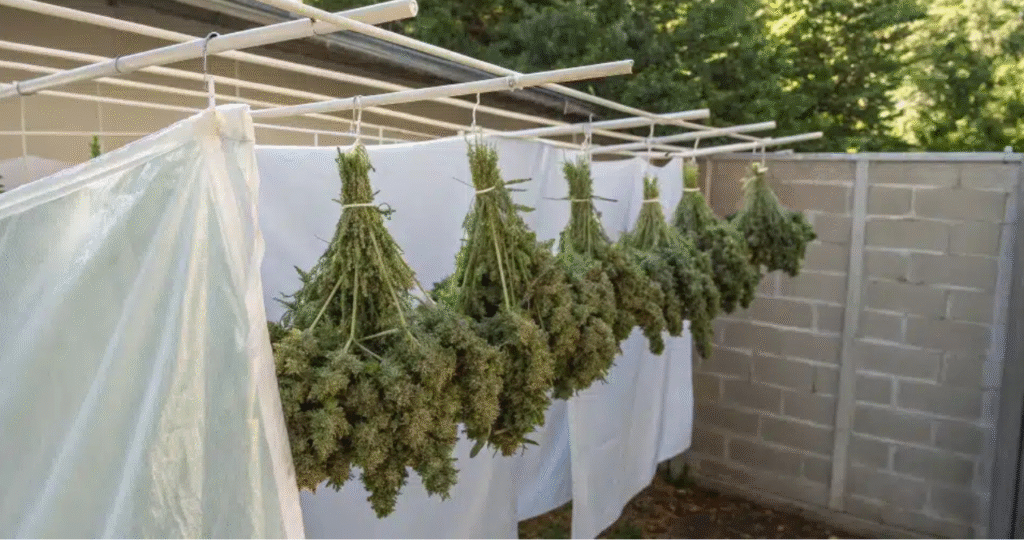
Drying phase: After harvest, buds need to lose some moisture in a controlled way. The goal is to reduce moisture without collapsing the bud structure or burning off terpenes. For example, optimal drying conditions might be 15–21 °C and RH of 45–55 %. If drying is too fast (high heat/low humidity), you risk overdrying; too slow/humid, and you risk mould.
Curing phase: Once dried, curing is storing the buds in sealed containers under moderate humidity (e.g., 58-62 % RH for many cannabis cures) so that the flavour, aroma, and potency mature and stabilise. According to one guide, this step is what differentiates a good product from a top-shelf one.
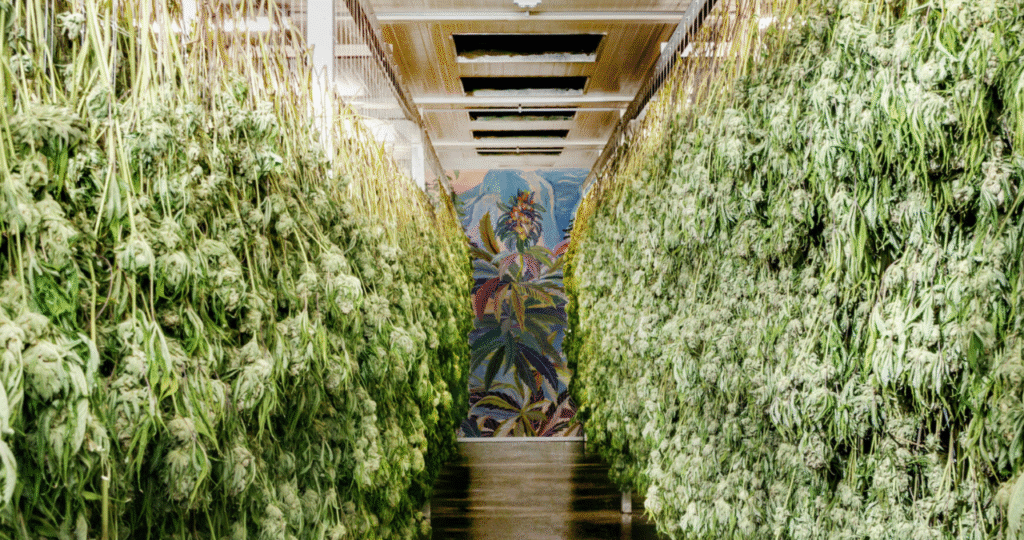
Why this matters for how to keep bud from drying out: if your drying and curing stages were poorly done (for example, drying too fast, not curing, storing right away in an inappropriate container), then even the best storage won’t compensate fully. The bud may have already lost moisture, broken trichomes, degraded aroma. So investing time in the “pre-storage” stages pays dividends.
In sum: if you want to understand how to keep bud from drying out in the long term, you must think backwards too — how you got to the storage stage matters.
Long-Term Storage: Beyond the Basics
If you’re planning to keep buds for extended periods (months or more), how to keep buds from drying out takes on extra layers of complexity. Things you do for short-term storage may not suffice for long-term preservation.
Vacuum sealing: For large quantities, you may use vacuum-sealed bags to remove most oxygen. But this comes with caveats: you must still maintain a cool, dark environment and moderate humidity to prevent collapse or brittleness. One source suggests vacuum-sealing for bulk storage, but with caution.
Minimising headspace: In storage containers, the less unused space, the less fresh air inside to oxidize the bud or facilitate drying. Keeping containers about two-thirds full is one good rule of thumb. For instance, one guide recommended not using a container that’s too large because the extra air causes oxidation.
Using UV-resistant glass or opaque containers: Especially for long-term storage, you want to block light completely. UV can penetrate even through tinted glass and degrade compounds over months. The Boveda guide warns of ordinary kitchen containers being “a poor choice because they lead to overexposure to oxygen” and light.
Stable conditions over time: Fluctuating temperature or humidity is worse than constant sub-optimal conditions. If you bounce between warm/humid and cool/dry, you risk condensation, trichome breakage, mould, or dry collapse. So, for how to keep bud from drying out long term, consistency is king.
Monitor occasionally: Even if you’ve stored correctly, you should check your storage periodically. If you detect changes in smell, texture, or colour, you might need to intervene (for example, moving to a better container or using a moisture pack).
Ultimately, long-term storage for how to keep bud from drying out means you’re protecting an investment — time, money, effort — in your buds. The more you care for it now, the longer you’ll preserve that quality.
Mistakes to Avoid When Aiming to Keep Bud from Drying Out
Knowing what not to do is just as helpful as knowing what to do when you focus on how to keep bud from drying out. Here are common missteps.
- Using plastic bags or large plastic containers for long-term storage: As noted earlier, plastic often has static, allows trichomes to break off, and doesn’t insulate well. One article lists “Don’t store marijuana in plastic or silicone” for that reason.
- Storing in a fridge or freezer without proper precautions: The temperature cycles cause condensation and can harm trichomes or cause freezer burn. The articles caution against this for standard flower storage.
- Leaving containers open frequently: Every time you open the jar, you expose the contents to fresh air, light, and moisture/humidity swings. These open-door moments accelerate drying and degradation.
- Excess exposure to light and heat: Placing your container in direct sunlight, near a window, or above a heat source will speed up drying and degrade compounds, undermining your goal of keeping the bud from drying out.
- Failing to use proper humidity control: If you skip humidity packs or ignore RH levels, you might find your bud either drying out too fast or becoming too moist and moldy. Misbalancing humidity defeats the purpose.
- Buying or storing too much without a use plan: Storing a huge quantity of buds without having a plan means you may let it sit too long, conditions may degrade, and you may lose quality before you even use them. One article recommends buying an amount you’ll use within a reasonable time.
- Avoiding these pitfalls strengthens your ability to keep bud from drying out and losing value.
Step-by-Step Checklist: How to Keep Bud from Drying Out (Your Routine)
To tie everything together, here’s a step-by-step checklist you can adopt as part of your routine for how to keep bud from drying out.
- Choose the right container: Select an airtight glass jar sized appropriately (so headspace is minimal) and ideally UV-resistant or stored in a dark place.
- Prepare the environment: Identify a cool storage location (ideally 15-21 °C if curing long term), dark, with minimal temperature or humidity fluctuations.
- Insert humidity control: Use a humidity pack suited to the flowers (for example, 58-62% RH if curing) and set the jar in place.
- Fill the container without overpacking: Fill the jar to about two-thirds or so, ensuring enough space for minimal air but not so much that there’s lots of oxygen.
- Limit exposure to light and air: After sealing, store the container away from direct light or heat sources. When you open it, do so briefly and close it promptly.
- Only grind/use what you need: When it’s time to use some, only open the jar for what you’ll use in the next day or so, to keep the remainder undisturbed.
- Monitor periodically: Check the texture, aroma, and look of the buds every few weeks (or more often if you suspect conditions have changed). If you detect signs of dryness or moisture loss, adjust (maybe a smaller container, a fresh humidity pack, or move to a cooler spot).
- For longer-term storage: Consider vacuum sealing for unused buds, maintain ultra-stable temperature/humidity, avoid frequent opening, and keep light exposure nil.
- By building this checklist into your routine, you’re actively using best practices for how to keep buds from drying out and preserving quality over time.