

Is the Head Gasket And Valve Cover Gasket The Same. This Understanding whether a head gasket and a valve cover gasket are the same is one of those topics that confuses many drivers, especially those who are just beginning to learn how engines work. When you look at the top of an engine, it is easy to assume that every seal or gasket you see does the same job. But in reality, these two gaskets perform completely different roles, operate in different areas of the engine, and fail in very different ways. That is why the question of whether the head gasket and valve cover gasket are the same becomes such an important one, especially for anyone who wants to avoid unnecessary repairs or misdiagnosed problems.
A head gasket is among the most critical components inside the entire engine structure. On the other hand, a valve cover gasket is more of a sealing component that prevents oil leaks around the top of the engine. Even though both are gaskets and both are important, the scale and significance of their roles vary drastically. This is why so many professional mechanics emphasize the value of distinguishing between them. Understanding the difference not only helps you recognize symptoms correctly but also prevents you from assuming your engine is facing a catastrophic failure when a simple leak might be the only real issue.
Understanding What A Head Gasket Actually Does
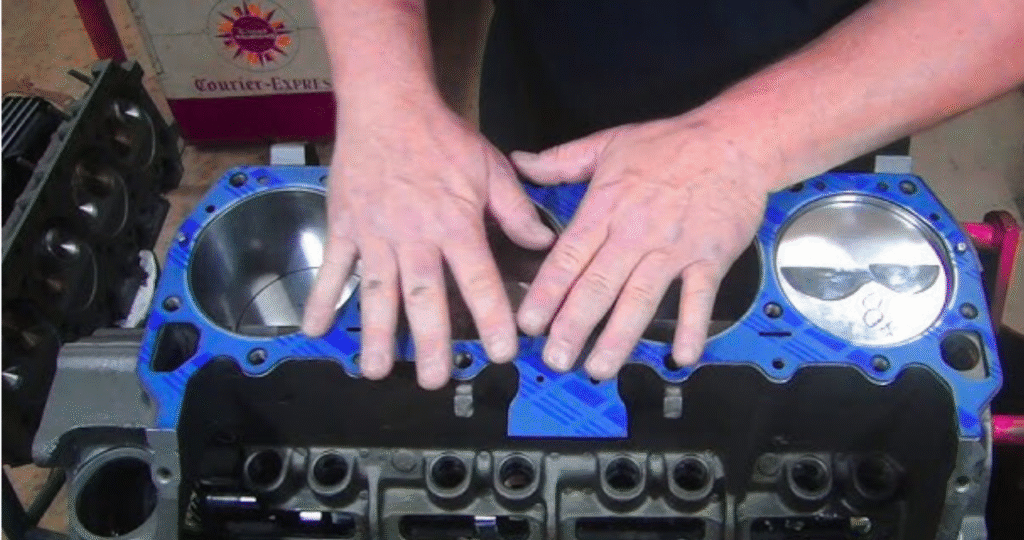
To start, the head gasket is positioned between the engine block and the cylinder head. This area is the heart of the entire combustion system and handles extreme pressure, high temperatures, and a mixture of coolant and oil passing through narrow pathways. The head gasket ensures all of these functions remain separated, allowing the engine to run smoothly and efficiently. Without it, the combustion chamber cannot stay sealed, and the engine will instantly suffer from loss of power, overheating, and mixing of fluids that were never meant to touch each other.
When people ask if the head gasket and valve cover gasket are the same, they are often comparing a major engine sealing component to something far simpler. The head gasket is engineered to withstand intense thermal cycles, combustion explosions, and the constant movement of internal engine parts. Its design is more advanced, often consisting of layers of durable materials like steel or composite sheets bonded together. Because of the environment it works in, it must be strong, resilient, and capable of forming a tight seal that lasts through countless heat cycles.
Understanding The Role Of A Valve Cover Gasket
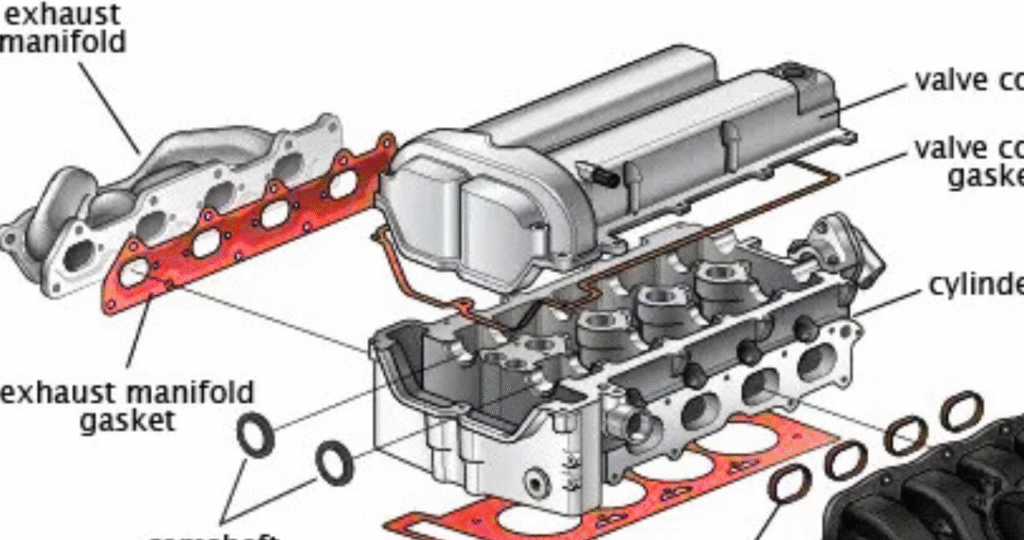
A valve cover gasket sits between the valve cover and the top part of the cylinder head. Its primary job is preventing engine oil from leaking while the camshafts and rocker arms splash lubricating oil inside the valve area. Unlike the head gasket, this part handles far less pressure. It mostly deals with oil and temperature, but nothing near the harsh environment inside the combustion chamber. This difference alone explains why confusing the two components can lead to unnecessary panic, especially for car owners who notice oil on their engine and immediately worry about head gasket damage.
While the valve cover gasket is important, it is not responsible for keeping coolant and combustion gases separated. Instead, its main job is simply to contain oil. It is usually made of rubber, silicone, or cork-like materials that are flexible enough to create a secure seal. When this gasket wears out, oil leaks begin to appear around the top of the engine. This can be messy and concerning, but it rarely affects the actual performance of the engine in the early stages. This distinction is essential when people consider whether the head gasket and valve cover gasket are the same because the severity of failure between the two can be drastically different.
Why Many Drivers Confuse These Two Gaskets
From the outside, many engine parts look more complicated than they really are. When someone lifts the hood and sees oil around the top of the engine, the first instinct is often to assume the worst. People panic, expecting a major internal problem, when in reality the leak could be coming from something as simple as a worn valve cover gasket. This is one of the biggest reasons why confusion around the fact that the head gasket and valve cover gasket are the same. The fear of a costly repair makes everything feel more dramatic than it actually is.
Another common source of confusion comes from how mechanics sometimes describe repairs. When someone hears the word gasket, they tend to group all gaskets instead of recognizing the differences. A valve cover gasket job is relatively simple and far cheaper than a head gasket replacement, yet both involve sealing engine parts. Drivers often mix them up because they do not realize how drastically the complexity and location of each gasket differ. That lack of knowledge contributes to misunderstanding, leading many people to wrongly assume every gasket failure is a catastrophic one.
The Structural Differences Between the Gaskets
When evaluating the head gasket and valve cover gasket, the physical differences alone offer a clear answer. A head gasket is large, flat, and filled with precise openings that align with cylinders, coolant channels, and oil passages. It must seal multiple fluid systems at once while simultaneously containing the high-pressure environment created during combustion. This structure requires advanced materials and exact engineering to handle the demanding conditions inside the engine.
A valve cover gasket, by comparison, is much simpler. Its shape usually outlines the contour of the valve cover, following its curves and corners. It only needs to seal oil within the upper part of the engine. Because of this, the material is softer, more flexible, and easier to install or replace. It is designed to be accessible and serviceable throughout the life of the engine. When comparing these structural differences, it becomes even clearer why these two parts are far from being the same and why any question about whether their head gasket and valve cover gasket are the same is answered firmly with a no.
How Failures Occur In The Head Gasket
Head gasket failures are usually serious and costly issues. When the seal breaks or cracks, coolant can leak into the combustion chamber, oil can mix with coolant, and pressure can escape. This leads to overheating, white exhaust smoke, milky oil, and loss of engine performance. The severity of these symptoms is a good reminder that this component is essential for engine health. Without a functioning head gasket, the engine cannot maintain proper compression or fluid separation.
The failure typically occurs due to prolonged overheating or high mileage stress. When the temperature of the engine rises beyond normal levels, the metal components expand more than intended. This expansion can warp the cylinder head or cause the gasket to deteriorate. Once the gasket is compromised, its ability to maintain a seal disappears, leading to immediate mechanical problems. This type of failure is significantly more severe than any issue arising from a valve cover gasket leak, which reinforces the idea that the head gasket and valve cover gasket are not just a basic comparison but a crucial distinction.
How Failures Occur In The Valve Cover Gasket
Valve cover gasket failures usually show up as oil leaks on the outside of the engine. With time, the gasket material becomes brittle or shrinks due to heat exposure. Once it loses flexibility, small gaps appear, and oil begins to seep out. The leak may start slowly, leaving a faint smell of burning oil or a slight coating of oil near the top of the engine. If left unaddressed, it can become more noticeable, eventually dripping onto exhaust components and causing visible smoke.
Even though it is an inconvenience, this kind of leak is far easier to manage compared to a compromised head gasket. A worn valve cover gasket rarely causes severe engine damage in the early stages. The main concerns are oil loss and a messy engine bay. This difference in consequence once again highlights why the question of whether the head gasket and valve cover gasket are the same is so important to understand. They may both fail, but the impact and urgency differ enormously.
Comparing Repair Costs Between the Gaskets
Because the head gasket sits deep within the engine, reaching it requires significant labor. The engine must be partially disassembled, inspected, and carefully reassembled. The time required is extensive, making the repair expensive. Besides the gasket itself, professionals often check for warped heads, coolant contamination, and additional damage caused by prolonged overheating. This adds even more cost and complexity. A head gasket job is considered a major repair, often taking a substantial amount of time and expertise.
A valve cover gasket replacement, in contrast, is straightforward. It sits at the top of the engine, easily accessible once the cover bolts are removed. The gasket can usually be replaced without disturbing any major components. This makes the repair significantly less expensive. Most drivers can even have it completed within a short time frame without the need for specialized equipment. This dramatic difference in repair cost and difficulty clearly demonstrates that answering is head gasket and valve cover gasket the same requires acknowledging how separate and unlike they truly are.
Symptoms Of A Failing Head Gasket Compared To A Valve Cover Gasket
Head gasket symptoms are severe and often appear suddenly. Drivers may notice white smoke coming from the exhaust, loss of coolant, overheating, or a sweet smell that indicates coolant is entering places it should never be. The engine may misfire or lose power, and the oil may develop a milky appearance due to contamination. These symptoms indicate immediate attention is needed because continuing to operate the engine can result in catastrophic damage.
Valve cover gasket symptoms tend to be more surface-level. The most common one is oil leaking around the top of the engine. Drivers might notice oil on nearby components, slight burning smells, or small oil spots under the vehicle. These symptoms are more of an annoyance than an emergency. They usually do not impact engine performance right away. This difference in symptoms is another clear reason why the question of whether the head gasket and valve cover gasket are the same can be confidently answered with no.
Why Misdiagnosis Happens So Frequently
Many people automatically assume the worst when they see oil leaking or smell something unusual under the hood. Misdiagnosis happens because many drivers are not familiar with engine layouts. Oil leakage seems alarming regardless of where it comes from. Without knowing how each gasket functions, it is easy to jump to conclusions. This creates unnecessary stress and sometimes leads to spending more money than required on repairs.
Even inexperienced technicians can misdiagnose issues if they do not thoroughly inspect the engine. Because the symptoms of a head gasket failure can sometimes overlap with other problems, a proper diagnostic process is essential. On the other hand, valve cover gasket leaks are often straightforward but may be mistaken for deeper issues if oil spreads around the engine. This confusion is a big reason why people continuously ask if the head gasket and valve cover gasket are the same when trying to understand where the problem truly lies.
The Importance Of Understanding Engine Gaskets
Knowing the difference between various engine gaskets is essential for maintaining any vehicle. Understanding what each gasket does, the symptoms of its failure, and how repairs are handled helps drivers make confident decisions. A head gasket is one of the most critical seals in the entire engine, while a valve cover gasket serves a simpler but still necessary purpose. Without this basic understanding, it is easy to assume that any gasket issue is immediately catastrophic.
When you recognize the distinctions, you no longer panic at every small leak. You become more capable of identifying when something is serious and when something is simply inconvenient. This knowledge makes you a more informed driver and a more confident participant in your vehicle’s care. It also prevents unnecessary stress, especially when the question is whether the head gasket and valve cover gasket are the same.
How To Tell Which Gasket Is Causing The Problem
Understanding where the leak originates plays a huge role in diagnosing the issue correctly. Oil leaking from the top of the engine almost always indicates a valve cover gasket failure. It is visible, easy to spot, and usually accompanied by oil residue near the cover edges. A head gasket problem, however, produces internal symptoms that are less obvious but far more serious.
A head gasket failure will affect coolant levels, oil conditions, engine temperature, and exhaust appearance. If any of these symptoms appear, the issue is likely deeper than a simple gasket leak. This distinction helps drivers determine whether they are dealing with a simple repair or something more complex. When evaluating these signs, it becomes clear why the question of whether the head gasket and valve cover gasket are the same has a straightforward answer.
Why The Head Gasket Is Considered A Critical Component
The head gasket is crucial because it keeps the combustion chamber sealed. Without that seal, the engine cannot generate power efficiently. This component also prevents coolant and oil from mixing, which is essential for proper lubrication and temperature control. A failed head gasket disrupts all these functions at once, which is why it is considered one of the most important parts of the engine.
A valve cover gasket, while important, does not influence any of these critical internal functions. It does not control combustion, pressure, or fluid separation inside the engine. Its main task is keeping oil contained. This comparison underscores the difference between the two components and answers the question of whether the head gasket and valve cover gasket are the same in a clear and definitive way.
Why Valve Cover Gaskets Fail More Frequently
Valve cover gaskets are exposed to continuous heat cycles and direct contact with oil. Over time, rubber or silicone materials gradually lose flexibility. When the gasket hardens or cracks, oil begins to escape. Because this is a normal wear and tear component, valve cover gasket replacements are relatively common. They fail more often simply because they are exposed and easier to wear out.
Head gaskets usually fail due to overheating or severe stress rather than natural aging. Engines that are properly maintained generally keep their head gasket intact for a long period. This difference explains why drivers encounter valve cover gasket issues more frequently, even though the head gasket is much more important. Once again, the question is whether the head gasket and valve cover gasket are the same, which can be easily answered by understanding how and why each part fails.
Preventing Head Gasket Problems
The best way to prevent a head gasket failure is by keeping the engine cool. Overheating is the most common cause of damage. Regular maintenance of the cooling system, including radiator checks, coolant flushes, and thermostat performance, helps prevent temperature spikes. Maintaining proper oil levels and addressing minor issues early also plays a key role in avoiding major engine damage.
Valve cover gaskets require less intensive prevention because their failure is usually gradual. Replacing them when signs of wear appear is often enough to keep everything sealed. By understanding these preventive measures, drivers not only maintain their engines better but also realize that the head gasket and valve cover gasket are not just a simple comparison but a matter of two very different maintenance tasks.
Preventing Valve Cover Gasket Problems
Valve cover gasket health mostly depends on the heat exposure and overall engine cleanliness. When engines become excessively dirty, sludge can build up around the gasket and accelerate its deterioration. Keeping the engine clean, using quality oil, and replacing the gasket at the first sign of wear are the simplest ways to avoid leaks.
These preventive steps are easier and far less stressful than those required for head gasket maintenance. This difference once again confirms that the two components are not the same and should never be treated as such. Recognizing this distinction helps drivers properly address the question of whether the head gasket and valve cover gasket are the same with confidence and clarity.
Should You Drive With A Failing Valve Cover Gasket
Drivers often wonder if they can continue using their vehicle with a leaking valve cover gasket. The truth is that while it is not ideal, it is usually not immediately dangerous. Small leaks may not affect performance at first, though they should still be fixed to prevent oil from dripping onto hot engine components, which could create smoke or burning smells.
Driving with a failing head gasket, however, is extremely risky. As soon as coolant begins entering the combustion chamber or compression begins to drop, the engine can suffer severe internal damage. Continuing to drive under such conditions can result in complete engine failure. This comparison further highlights why the question of whether the head gasket and valve cover gasket are the same absolutely requires a clear and resounding no.
How Professionals Diagnose Gasket Problems
Professionals examine multiple areas of the engine to determine which gasket is affected. For head gasket issues, pressure tests, coolant checks, and exhaust analysis help pinpoint the failure. Mechanics look for signs of internal contamination and examine temperature behavior closely. These diagnostic steps are necessary because head gasket problems are serious and affect multiple engine systems.
For valve cover gaskets, a visual inspection is often enough. Mechanics look for oil seepage, wet spots, and residue around the edges of the valve cover. This type of diagnosis is quick and usually straightforward. The difference in diagnostic complexity further emphasizes why comparing the two components must be done carefully, and why the question of whether the head gasket and valve cover gasket are the same deserves a clear answer grounded in accurate information.
How Long Each Gasket Typically Lasts
Valve cover gaskets often last a reasonable length but tend to wear out naturally due to heat. Their lifespan varies depending on the engine design, driving habits, and maintenance. Over time, the material eventually breaks down and requires replacement, even if the engine is in good condition.
Head gaskets, on the other hand, are designed to last much longer. They often remain functional for the lifetime of the engine unless overheating or severe stress causes them to fail. This longevity difference once again makes it clear why asking if the head gasket and valve cover gasket are the same requires understanding their distinct roles and durability.
Why Replacing A Valve Cover Gasket Is A Simple Repair
Valve cover gasket replacement typically involves unbolting the cover, removing the old gasket, cleaning the area, and installing a new seal. It is straightforward, inexpensive, and rarely requires major disassembly. Many skilled drivers can even perform this job at home with basic tools.
Replacing a head gasket, however, is far more complex. It requires removing multiple engine components, inspecting internal surfaces, and reassembling everything with precise torque specifications. This substantial difference in repair difficulty is another reason the question of whether the head gasket and valve cover gasket are the same has an unambiguous answer.
Can A Valve Cover Leak Cause Head Gasket Failure
While the two components are separate, poor maintenance can cause issues that eventually affect other engine parts. A valve cover leak will not directly damage the head gasket, but if oil levels drop too low due to a major leak left unchecked, overheating may occur. Overheating is the most common cause of head gasket failure. So while the leak itself does not cause the damage, the consequences of neglected oil loss can contribute to creating a dangerous situation for the head gasket.
This indirect relationship is a good reminder that engine health is interconnected, but it does not change the fact that the two components serve separate purposes. Understanding this helps drivers evaluate issues more accurately and confidently answer that the head gasket and valve cover gasket are the same with a firm no.
Can A Head Gasket Failure Cause A Valve Cover Leak
A failing head gasket can create excessive pressure inside the engine, which may force oil upward and contribute to valve cover gasket leaks. This is not always the case, but it can happen in difficult situations. When pressure builds up inside the crankcase due to combustion gases entering areas they should not, seals and gaskets throughout the engine can become stressed.
Even in this scenario, however, the two gaskets are still performing unrelated roles. One failing does not mean the other is identical. Instead, it simply highlights how engine problems can sometimes create a chain reaction. This distinction reinforces the importance of understanding that the question is whether the head gasket and valve cover gasket are the same in the context of engine performance and not just terminology.
Why Understanding This Difference Saves You Money
Knowing the difference between these two gaskets helps drivers avoid costly misdiagnosis. Many people fear head gasket issues because of their expensive repairs. When they see oil leaking, they panic, thinking the worst. Understanding that many leaks originate from a simple valve cover issue instead of a catastrophic head gasket failure reduces unnecessary stress and prevents people from spending more on repairs than they need to.
This knowledge empowers drivers to communicate effectively with mechanics and make informed decisions. The clarity gained from answering the head gasket and valve cover gasket is the same, which correctly helps save time, money, and effort throughout the vehicle’s lifespan.
Should You Replace Both Gaskets Together
There is no requirement to replace both gaskets at the same time. They are located in different areas, perform different roles, and fail for different reasons. If a valve cover gasket is leaking, replacing it does not affect the head gasket. Likewise, a head gasket repair does not always require replacing the valve cover gasket unless it shows signs of wear or damage.
However, while they are separate repairs, some mechanics may choose to inspect or replace the valve cover gasket during a head gasket job simply because the area is already accessible. This is a convenience and not a necessity, reinforcing the idea that the answer to the head gasket and valve cover gasket remains clear and unchanged.
Final Thoughts On Whether These Gaskets Are The Same
After examining the structure, function, symptoms, repair methods, and consequences of failure, it becomes clear that the head gasket and valve cover gasket are not the same in any meaningful way. They belong to different parts of the engine, perform different roles, and influence engine performance in drastically different ways. Confusing them can lead to unnecessary stress or costly mistakes, especially when oil leaks are involved.