


When we think about America, we often imagine bustling cities with endless opportunities, vibrant culture, and communities full of life. However, the reality is not always so cheerful. Some cities, despite their potential and charm, have earned reputations for being particularly challenging places to live. Understanding what the most miserable cities in America are isn’t just about pinpointing high crime rates or poor weatherit’s about examining the complex mix of economic struggles, social issues, health concerns, and environmental challenges that impact daily life.
Living in a city that consistently ranks low on happiness and quality-of-life indexes can affect everything from personal well-being to career satisfaction. People in these areas often face economic uncertainty, higher rates of mental health issues, and a lack of resources for recreation and leisure. This article delves deep into the factors contributing to misery in American cities and explores some of the places where residents often report lower levels of satisfaction with life.
Economic Hardships and Job Instability
A significant factor in what makes a city miserable is its economic climate. Cities struggling with unemployment, low wages, or unstable job markets create stress and uncertainty for residents. When people feel financially insecure, it trickles into nearly every aspect of lifefrom housing and healthcare to education and personal relationships.
For example, many midwestern and rust belt cities, once thriving industrial hubs, now grapple with declining manufacturing jobs and shrinking economic bases. Residents may find themselves working multiple low-paying jobs just to make ends meet, with little opportunity for advancement. This economic instability can lead to frustration, high stress levels, and feelings of hopelessness, all of which contribute to a city’s overall misery ranking.
Crime Rates and Safety Concerns
Another major contributor to misery in cities is high crime rates. Feeling unsafe in one’s own neighborhood is stressful, isolating, and can severely limit residents’ quality of life. Cities with persistent crime problems often struggle to attract new businesses and residents, which perpetuates cycles of poverty and neglect.
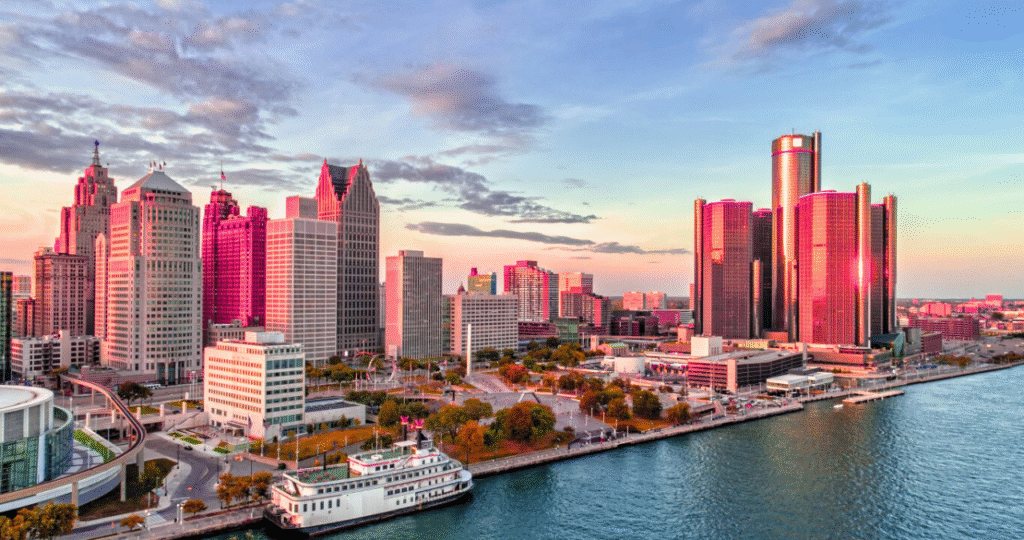
High crime doesn’t just mean a higher likelihood of being a victim; it affects how people live their daily lives. Parents might be reluctant to let children play outside, adults may avoid walking or using public spaces, and communities can fracture under the constant pressure of safety concerns. Over time, this environment of fear erodes community bonds and increases stress, contributing to the overall misery experienced by residents.
Harsh Weather and Environmental Challenges
Climate and geography play a surprisingly large role in city misery. Areas prone to extreme weatherwhether scorching summers, bitter winters, or frequent natural disasterscan make daily life uncomfortable and unpredictable. Cities that struggle with pollution, industrial contamination, or limited green spaces can also negatively impact residents’ physical and mental health.
Environmental challenges can limit opportunities for outdoor recreation, increase medical costs, and reduce overall happiness. People living in cities with harsh environmental conditions often feel trapped and stressed, especially when paired with economic difficulties or high crime rates. The combination of these factors compounds the challenges of daily life, making certain cities particularly miserable to live in.
Social Isolation and Community Disconnect
A city’s social fabric significantly influences happiness levels. In some of America’s most miserable cities, residents report feelings of isolation, disconnection, and weak community engagement. Loneliness and social fragmentation can exacerbate other issues like mental health struggles and economic stress.
Urban sprawl, limited public spaces, and inadequate social programs often prevent neighbors from connecting or forming meaningful relationships. Over time, this disconnect can make residents feel unsupported and contribute to an overall sense of unhappiness. Cities that fail to foster strong community ties may struggle to retain residents, as people often seek out places where they feel more connected and fulfilled.