
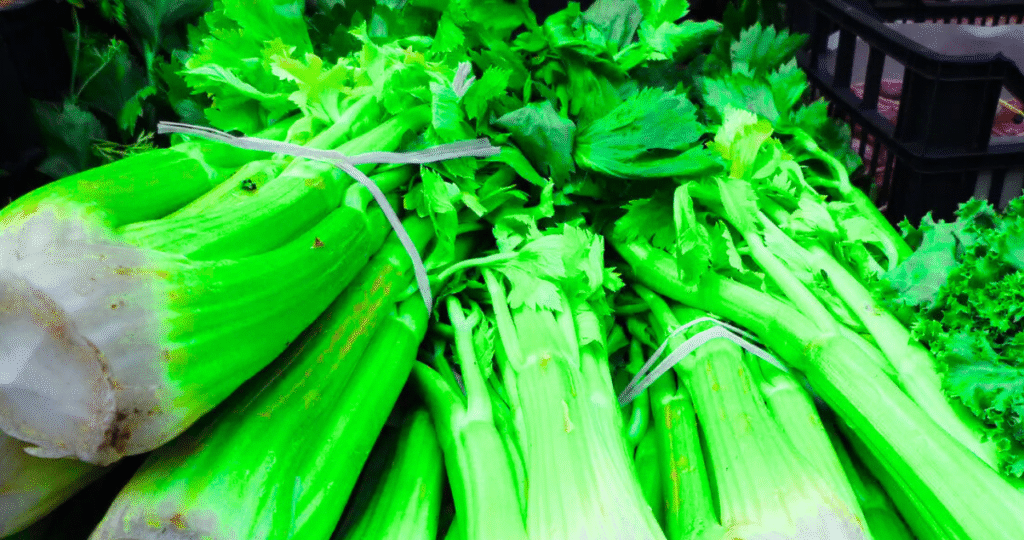

Should Celery Be Organic. This Celery has always occupied a strangely fascinating place in the world of produce. It looks simple, grows tall, crunches loudly, and somehow manages to make its way into everything from soups to juices. Yet behind its modest appearance, a question shows up repeatedly in health circles, cooking spaces, wellness blogs, and grocery store aisles: Should celery be organic? It is a question that stirs up curious discussions and sparks debates among people who care about what they eat. Many people pick up a bundle at the market and pause for a moment, wondering if the organic version is better or if the conventional version is perfectly acceptable. Understanding what lies behind that question can help you choose wisely and feel confident about what ends up on your plate.
When people ask whether celery should be organic, they are usually thinking about farming practices, pesticide exposure, taste differences, environmental effects, and overall wellness. Celery is often discussed because its surface is porous, its stalks are naturally fibrous, and its growing conditions sometimes make it more vulnerable to certain agricultural treatments. That is exactly why so many individuals want a clear and honest explanation that feels friendly, expert, and easy to digest. By exploring every angle in detail, you can decide what makes the most sense for your lifestyle, your cooking habits, and your values around food quality.
Understanding The Core Question
Whenever the conversation turns toward whether celery should be organic, it helps to begin with what organic even means in everyday life. Organic growing practices focus on the soil, the water, the ecosystem, and the long-term sustainability of agricultural lands. Instead of relying on synthetic aids, organic farming aims to support natural growth cycles, build healthier soil, and reduce chemical exposure in the final produce. When it comes to celery, this distinction leads many people to reconsider the choice they make at the store because celery absorbs flavors, moisture, and environmental factors more than some other vegetables. That thought alone pushes people to ask again and again: Should celery be organic?
At the heart of the conversation sits the idea of familiarity. Many shoppers feel overwhelmed by conflicting advice and mixed opinions. One expert says one thing while another says something else. Some sources say celery is fine in any form, while other voices seem almost shocked that anyone would buy it conventionally. Instead of letting that confusion grow louder, it helps to break the topic down into something clear and digestible. By understanding what goes into celery farming, how the stalks behave, and how growing conditions influence the final product, you can finally decide for yourself whether celery should be organic, which is a question with a simple yes, a thoughtful maybe, or a confident no that still feels informed.
Why People Often Ask Should Celery Be Organic
Should Celery Be Organic The recurring popularity of the phrase Should celery be organic has a lot to do with how celery interacts with its environment. Its long stalks are made of channels that carry water upward, which means whatever is in the surrounding soil or water supply moves into the plant. That characteristic tends to catch the attention of careful eaters who want to know if the growing method affects the final taste, nutritional value, and purity. So every time the produce aisle offers two versions of the same vegetable, the question circles back: Should celery be organic?
There is also an emotional aspect to this question. Many people love celery because it signals freshness, simplicity, and cleanliness. It is crisp, refreshing, and often used in dishes that feel cleansing or invigorating. When a food carries that kind of association, people naturally want it to be as pure and straightforward as possible. That emotional connection is one reason the question Should celery be organic resonates with such intensity. People are not just choosing a vegetable. They are choosing a feeling, a sense of clarity, and sometimes even a lifestyle that reflects their values around natural food.
The Texture And Taste Factor
Should Celery Be Organic Taste plays a surprisingly big role in the discussion about whether celery should be organic. Many cooks swear that organic celery tastes more vibrant, more fragrant, and sometimes sweeter. They say it carries a cleaner, fresher aroma and a more expressive bite. Cooking instructors and chefs often mention how celery contributes foundational flavor to soups, broths, and sauces. In those cases, the subtle nuances matter. So the thought naturally comes back: should celery be organic if taste is that important?
Another aspect of texture involves the way celery snaps under pressure. Organic versions are often said to have a distinctly firmer, livelier crunch. While this is not a universal rule, many people claim they can tell the difference just by breaking a stalk in half. That kind of sensory experience adds fuel to the ongoing conversation about whether celery should be organic because texture is as important as flavor in many recipes. People want reliability, consistency, and a pleasant eating experience, and if organic celery gives them that impression, they naturally lean toward it when making a choice.
Farming Practices And Soil Health
Soil lies at the center of agricultural quality, and this truth often deepens the curiosity behind whether celery should be organic. Organic farming relies on compost, natural fertilizers, and crop rotation to nourish the soil rather than deplete it. When the soil is healthy, the vegetables grown in it tend to develop better structure, better hydration patterns, and, in some cases, deeper natural flavors. Celery, with its water-channeling structure, is especially sensitive to soil health. That sensitivity keeps the question alive: should celery be organic?
Should Celery Be Organic Celery absorbs what the soil offers, so when the soil is enriched naturally rather than artificially, some people feel more comfortable with the final product. They sense a connection between the land and the food and find it reassuring. Others appreciate the ecological benefits of organic methods, such as supporting pollinators, maintaining biodiversity, and reducing strain on the surrounding environment. All of these points contribute to the ongoing discussion about whether celery should be organic, especially among individuals who care deeply about sustainability and long-term ecological wellness.
The Wellness Perspective
From a wellness point of view, whether celery should be organic has become a popular question because the vegetable is widely used in juices, smoothies, and raw snacks. Many people consume it uncooked, which means whatever is in the plant remains intact when eaten. That makes individuals sensitive to the quality of the produce they choose. People who follow wellness routines often view organic produce as a cleaner, more natural option, which keeps the question of whether celery should be organic relevant in everyday conversations.
Should Celery Be Organic Another reason wellness enthusiasts ask that celery be organic is the association celery has with detox routines, hydration, and restorative food habits. Because celery is linked to purity and cleansing, many feel it should align with growing methods that reflect those values. That psychological connection influences shopping habits, recipe decisions, and even the way people talk about food with friends and family. When health-focused individuals view celery as part of their daily nourishment routine, the question naturally continues to surface.
Environmental Consciousness And Ethical Choices
When people think about environmental responsibility, the idea behind Should Celery Be Organic extends beyond personal health. Organic farming avoids many synthetic treatments, which supports healthier soil ecosystems and safer water systems. Many environmentally conscious individuals feel that choosing organic produce strengthens their contribution to sustainable agriculture. For them, asking whether celery should be organic is not only a personal choice but an ethical one linked to future generations and planetary well-being.
Celery fields that follow organic standards often encourage more beneficial insects, rely less on disruptive chemicals, and promote long-term land health. People who value these principles feel that selecting organic celery aligns with their belief system. It becomes a decision tied to stewardship of the earth rather than just what ends up on the dinner plate. This layered reasoning surrounding whether celery should be organic adds depth to the conversation and shows how food choices sometimes reflect greater moral thinking.
Budget Considerations And Realistic Decisions
Should Celery Be OrganicNot everyone can purchase organic all the time, and that is perfectly understandable. This is why the question of whether celery should be organic is a question that blends practicality with aspiration. Some grocery stores price organic produce higher than conventional versions, which can limit options for families or individuals who are trying to balance budgets with wellness priorities. When the price gap feels noticeable, people begin weighing the importance of celery compared to other items on their list, which circles the conversation back to whether celery should be organic or whether conventional celery works just as well for their needs.
Some people adopt a flexible approach where they choose organic versions of produce they consume raw, while selecting conventional versions of ingredients used mainly for cooking. Celery fits into both categories depending on personal habits. That flexibility makes the question of whether celery should be organic feel nuanced rather than rigid. It becomes less of a rule and more of a thoughtful decision based on circumstance, preference, availability, and budget.
Culinary Use And Recipe Impact
Cooks often find themselves asking Should celery be organic when preparing dishes that rely heavily on its flavor. Celery is a foundational ingredient in many broths, sauces, and soups, and the quality of the stalks can subtly influence the overall aroma and taste. Those who cook frequently notice these distinctions, particularly when celery is used raw in salads, juices, or toppings. So the question of whether celery should be organic becomes part of the culinary selection process.
In classic culinary arts, celery belongs to the aromatic trio used around the world. Traditions place heavy emphasis on the quality of these building blocks, and that cultural backdrop keeps the organic conversation alive. Chefs who value clean, crisp produce are naturally drawn to organic celery when available. Still, many cooks achieve wonderful results with conventional celery, which means the question of whether celery should be organic has no strict universal answer, only an informed one based on personal goals and tastes.
Personal Philosophy And Lifestyle Alignment
Food choices often reflect personal philosophy. People who prioritize simplicity, natural living, and mindful eating tend to ask Should celery be organic as part of their broader lifestyle pattern. They want their habits to match their beliefs, whether those beliefs center on health, environmental stewardship, spiritual clarity, or holistic living. For such individuals, organic celery feels like a natural extension of the way they try to move through the world.
Other people have a more flexible philosophy around food and prefer to enjoy what they can access without rigid rules. They might still ask whether celery should be organic, but their answer depends on convenience or mood rather than commitment to certain principles. In many ways, the question reveals more about the person asking than about the vegetable itself. Celery becomes a symbol for the broader relationship people have with their food.
Market Trends And Consumer Influence
The popularity of organic produce has grown steadily, and this rising interest plays a role in why so many people ask Should celery be organic. As more markets expand their organic sections, the question becomes part of everyday shopping behavior. People want to understand the differences, compare options, and feel informed before making decisions. When stores highlight organic selections, shoppers naturally become curious about what makes those items special.
Consumer influence also shapes farming practices. When people frequently ask whether celery should be organic and choose to purchase organic versions, farmers respond by expanding organic acreage. This cycle strengthens the availability of organic produce and encourages continued improvement in sustainable farming. The question, in turn, becomes a driver of agricultural change and not merely a curious thought at the grocery store.
Long-term Thinking And Future Perspective
Thinking long term invites a broader discussion about whether celery should be organic. Food choices influence personal health, but also contribute to agricultural patterns that last for generations. Organic farming emphasizes soil preservation, ecological balance, and reduced chemical use, all of which impact future food systems. People who think beyond the present moment often consider how their purchases shape agricultural trends. In that context, should those become part of thoughtful future planning?
As environmental awareness rises and more consumers want transparency in food production, the conversation becomes increasingly relevant. Celery, as a widely consumed vegetable with a delicate structure, represents the perfect example of how produce choices spark larger reflections. Whether someone decides firmly or remains flexible, the fact that they are asking for organic celery shows a growing interest in conscious eating.
Final Thoughts On The Question: Should Celery Be Organic
At the end of the day, the question of whether celery should be organic does not have a single perfect answer, because people choose food based on values, taste preferences, wellness goals, environmental beliefs, and financial realities. What makes the question meaningful is not the conclusion but the awareness it brings. It encourages people to look closely at their food choices, think about farming systems, and consider how the environment shapes the food they enjoy.
Whether you choose organic celery all the time, buy it only when it fits your budget, or select conventional celery when that works best for you, understanding the reasoning behind the question of whether celery should be organic helps you make conscious, confident decisions. The beauty of this conversation is that it empowers you to choose mindfully, with clarity and comfort, knowing that your choice reflects your unique priorities and your relationship with the food that nourishes you.